Pilkington UK is celebrating its 200-year anniversary in 2026, marking two centuries of innovation that have shaped modern architecture and glass manufacturing worldwide.
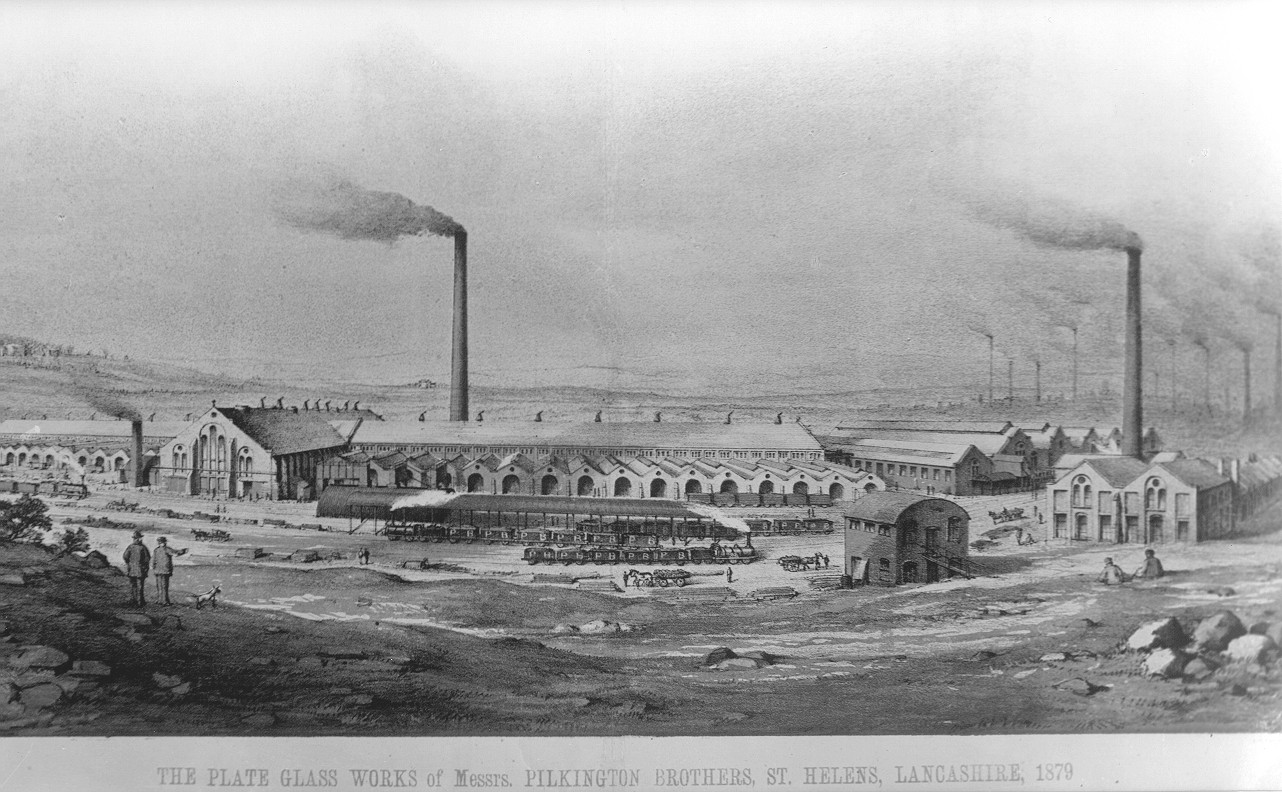
Founded in 1826 as the St Helens Crown Glass Company in Merseyside, England, the business was later acquired by William and Richard Pilkington and renamed Pilkington Brothers in 1849. By 1894, it became Pilkington Ltd, a name that would become synonymous with quality and technological advancement in the glass industry.
The company expanded internationally as early as 1892, establishing a global presence across Europe, North America, Australia, and beyond. Throughout the 20th century, it solidified its position as a leading force in glassmaking.
A defining moment came in 1959, when Alastair Pilkington invented the float glass process. This groundbreaking method, which involves floating molten glass on a bed of molten tin, enabled the continuous production of perfectly flat, uniform glass sheets. Today, float glass remains the most widely produced form of glass globally and a cornerstone of modern construction. 
Pilkington glass has been used in iconic projects and products, from classic vehicles like the Ford Model T and luxury brands such as Rolls-Royce and Aston Martin, to landmark buildings including the Empire State Building, the Louvre Pyramid, and The Shard in London.
Source: Glass Balkan