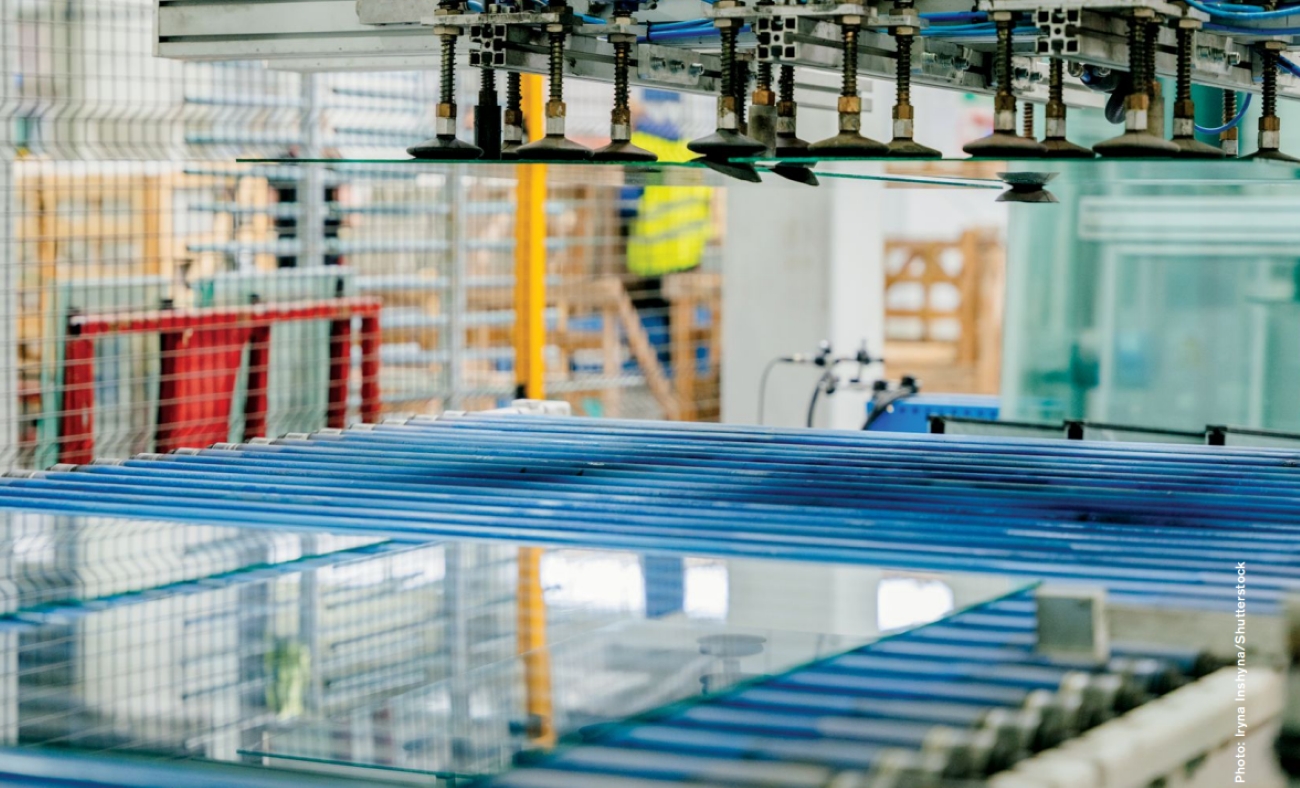
Grinding, drilling and edging remain among the most demanding stages of glass fabrication, where variations in operator technique, tool wear and glass specifications can directly affect edge quality and first-pass yield. To reduce these inconsistencies, manufacturers are increasingly adopting automated finishing systems that combine precision engineering with intelligent process control.
According to Chris Cullum, Eastern Sales Manager (Glass) at CMS North America Inc., improvements in machine quality are being driven by advances in manufacturing technologies. CMS now uses additive machining, 3D printing and advanced simulation software to design highly accurate, repeatable equipment while reducing the complexity of producing machine components. Combined with glass-specific software, these systems enable consistent production with minimal operator intervention.
Thomas Bechill, Sales Support Manager at Hegla Corp., highlights precision machine construction as another key factor in improving finishing quality. Following Hegla’s acquisition of RS technology, the company expanded its wet machining capabilities with innovations including optimized cooling systems that direct water precisely onto diamond tools and automated magazine-changing systems located outside the wet processing area. These developments improve tool life, increase flexibility and reduce maintenance.
Source: USGlassMag with additional information added by Glass Balkan