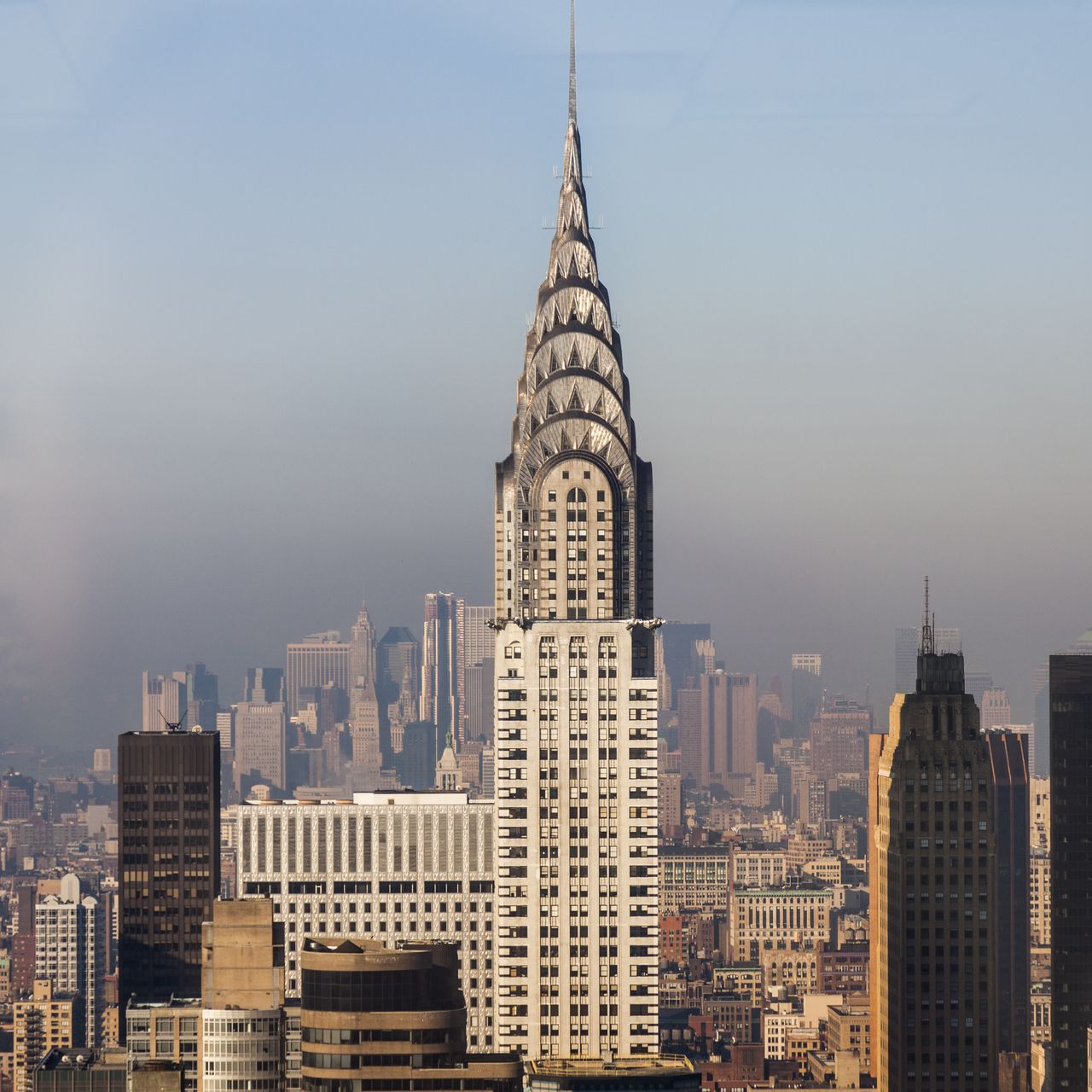
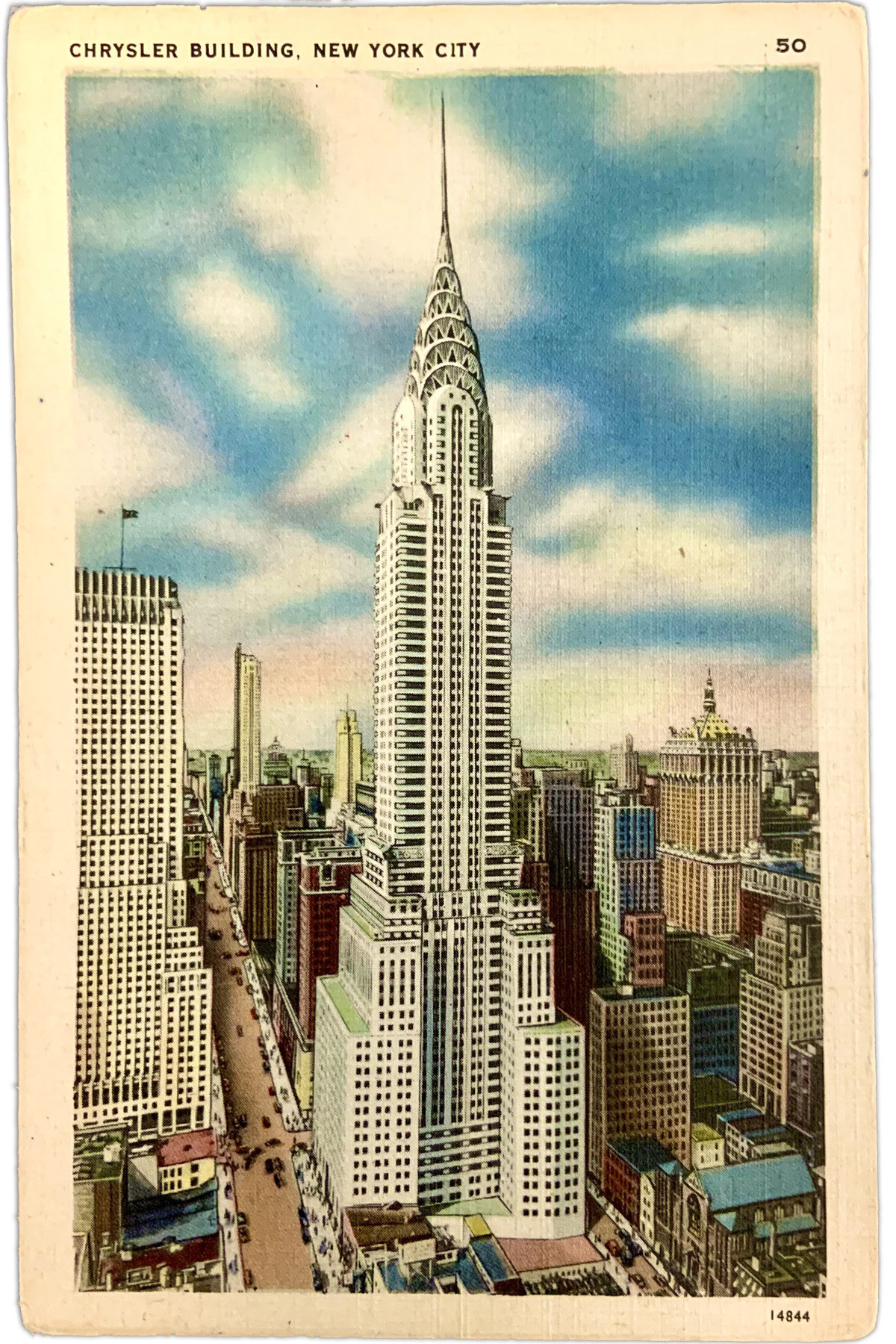
Completed in 1930, the Chrysler Building remains one of the most celebrated achievements in architectural history, representing the peak of the Art Deco movement and a milestone in high-rise engineering. Rising 319 metres (1,046 feet) above Midtown Manhattan, the tower combined pioneering steel-frame construction with elaborate craftsmanship, becoming a lasting symbol of innovation, ambition and American industrial progress.
Originally conceived as the Reynolds Building for developer William H. Reynolds, the project changed direction when Walter P. Chrysler acquired the development in October 1928. Rather than serving as the official headquarters of Chrysler Corporation, the building was privately financed by Chrysler himself as a lasting legacy to the automotive industry and modern engineering. Architect William Van Alen transformed the design into an architectural expression of speed, precision and technological advancement, drawing inspiration directly from Chrysler automobiles.
Construction began in 1928 and progressed at an extraordinary pace despite the increasing complexity of the project. Foundations were excavated approximately 21 metres (69 feet) below Lexington Avenue, providing the stability required for one of the tallest structures of its era. The final steel beam was installed on 28 September 1929, only weeks before the Wall Street Crash, while interior work continued uninterrupted. The first tenants occupied the building on 1 April 1930, followed by its official opening on 27 May.
One of the building’s greatest engineering achievements was its 56-metre (185-foot) stainless-steel spire. Fabricated in sections and secretly assembled within the upper floors to prevent competitors from learning of its existence, the spire was lifted through the centre of the tower and secured in approximately 90 minutes. The dramatic installation increased the building’s height to 319 metres, allowing it to surpass 40 Wall Street and become the world’s tallest building, the first man-made structure to exceed 1,000 feet. 
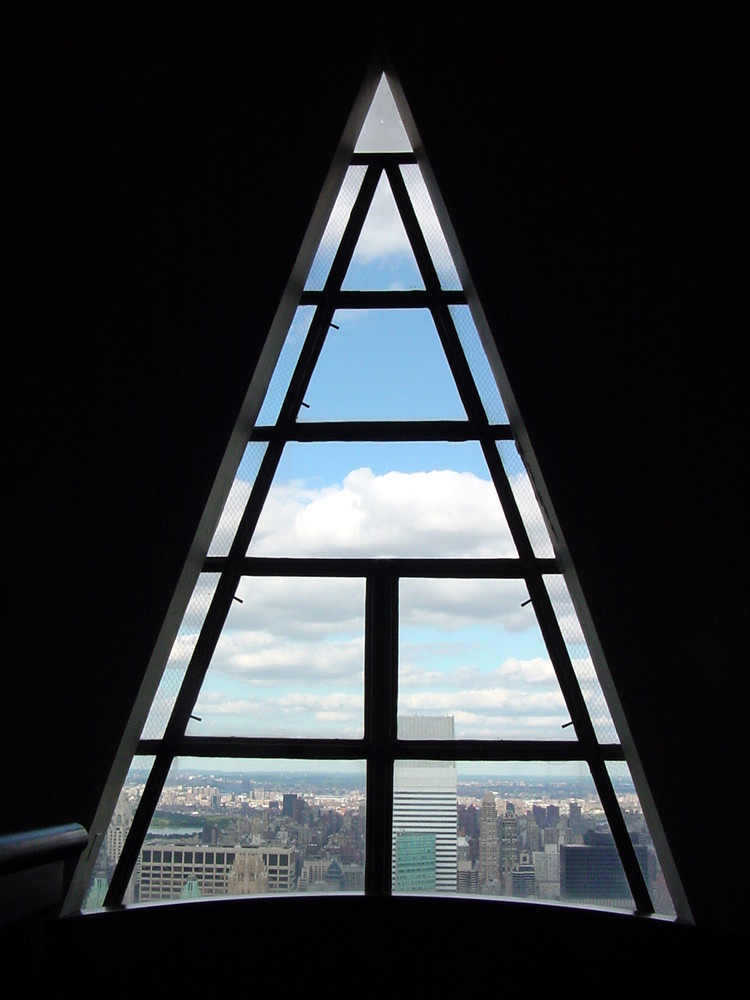
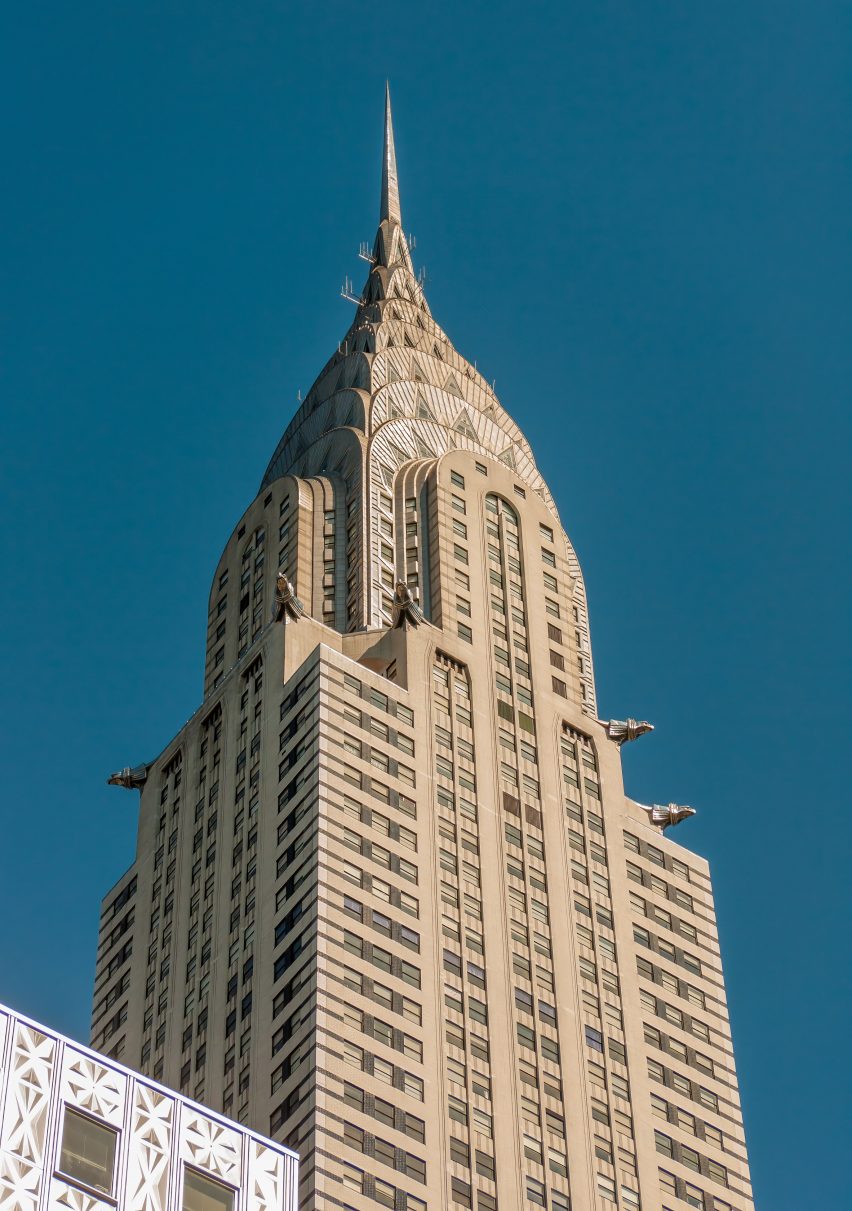
Although the title lasted only until the completion of the Empire State Building in 1931, the Chrysler Building’s architectural significance has endured for nearly a century. Its distinctive crown, clad in Nirosta stainless steel, reflects sunlight through a series of seven radiating arches and triangular windows, creating one of the most recognisable skylines in the world.
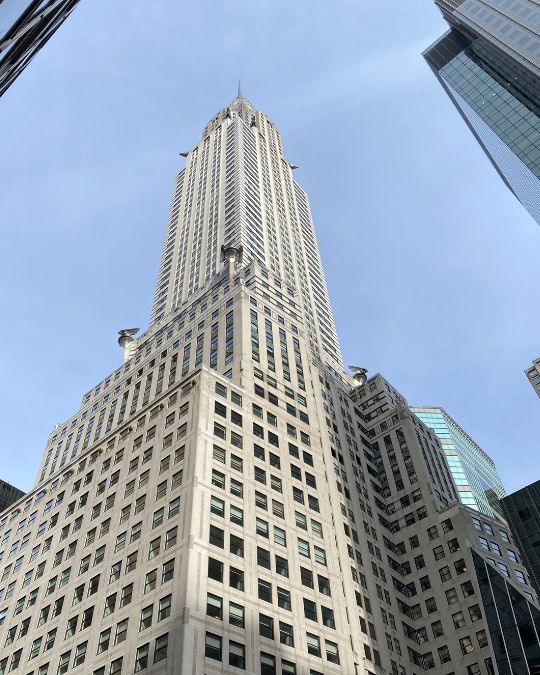
Automotive-inspired ornamentation distinguishes the tower from every other skyscraper of its period. Winged radiator-cap sculptures project from the 31st floor, stainless-steel eagle gargoyles extend from the corners of the 61st floor, while decorative brick friezes incorporate stylised wheels, mudguards and hubcaps that celebrate the Chrysler brand. These elements demonstrate Van Alen’s ability to merge industrial design with monumental architecture without compromising structural performance.
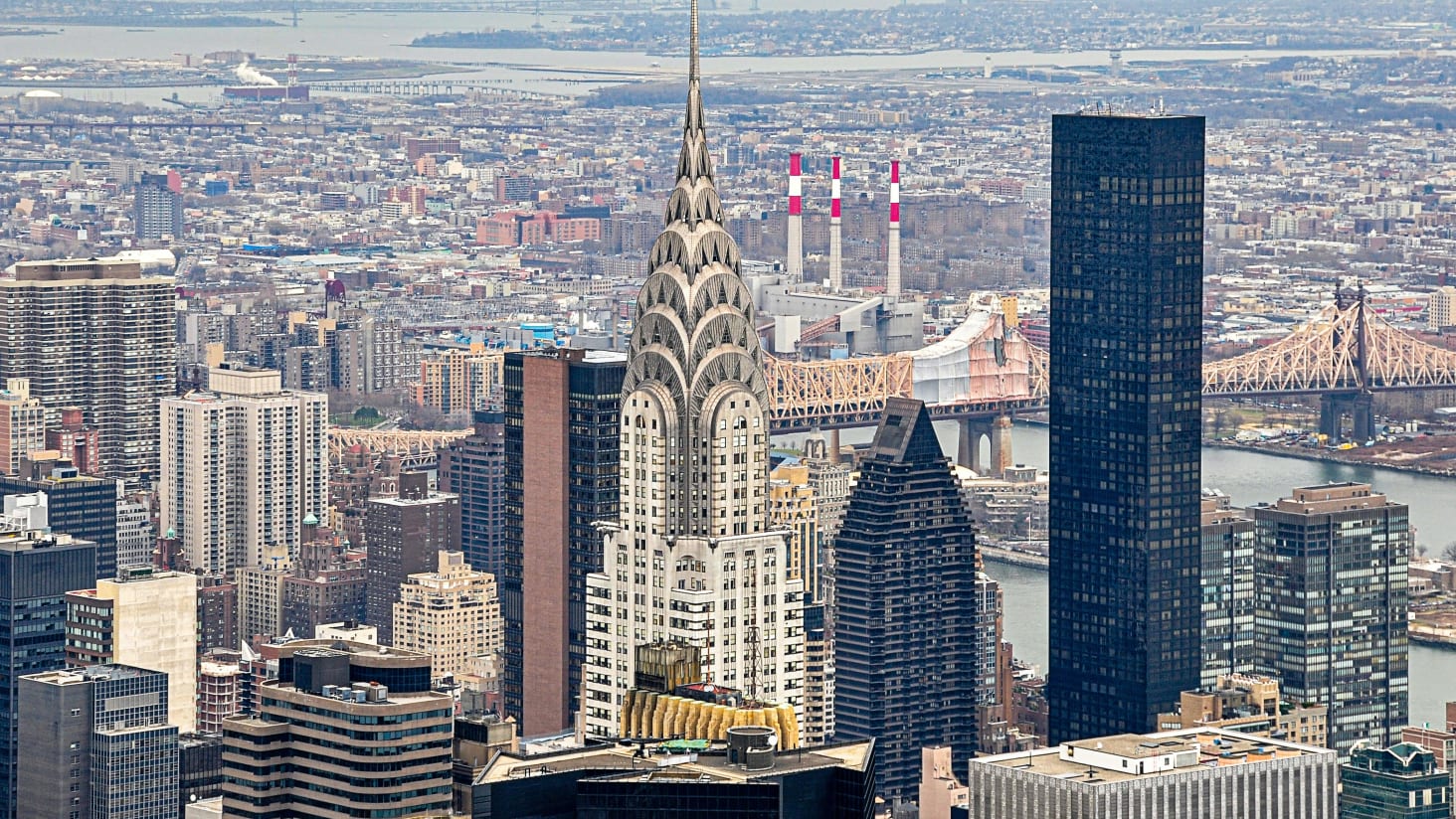
The 77-storey building contains approximately 1 million square feet of floor space. Its steel skeleton was assembled using nearly 392,000 rivets, while around 3.8 million bricks were used to construct the non-load-bearing exterior walls. The structural frame, supplied by Carnegie Steel Company, was complemented by elevators manufactured by Otis Elevator Company, enabling efficient vertical transportation within one of the world’s tallest commercial buildings.
The project team brought together many of the era’s leading specialists. Walter P. Chrysler and the Chrysler Tower Corporation oversaw development, William Van Alen served as architect, Ralph Squire & Son provided structural engineering, and Fred T. Ley & Company acted as general contractor. The building’s celebrated lobby was further enhanced by Edward Trumbull’s monumental mural, Transport and Human Endeavour, which celebrated technological progress and the machine age.
Source: skyscraper.org with additional information added by Glass Balkan