For facade manufacturers, production capacity is often planned around major projects. Large residential towers, commercial buildings and infrastructure developments can generate months of CNC work, but construction schedules rarely move in a perfectly linear way. Delayed site readiness, changes in drawings, material deliveries or installation programmes can leave production equipment underutilised while fixed factory costs continue.
This is where production flexibility becomes commercially important.
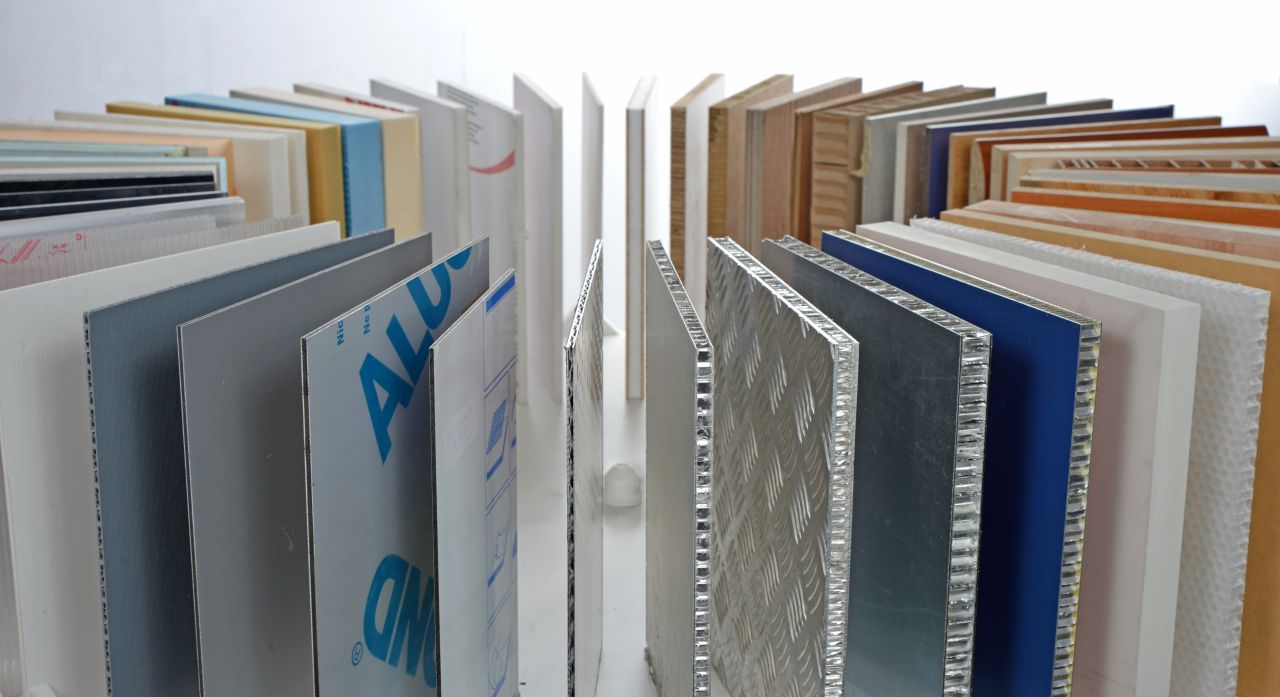
Rather than maintaining machinery dedicated to a single facade application, manufacturers can increasingly use the same CNC infrastructure across different panel materials and end markets. ACM, solid aluminium, HPL, fibre cement and plastic panels, for example, can require different machining parameters and tooling, but they can also belong to the same broader panel-processing operation.
Muratori Machines has developed its technology around this principle. Its Ranger vertical CNC machining centres are designed for milling, drilling and cutting panels in these materials, with applications extending beyond architectural cladding into industry, transportation, interior design and visual communication. 
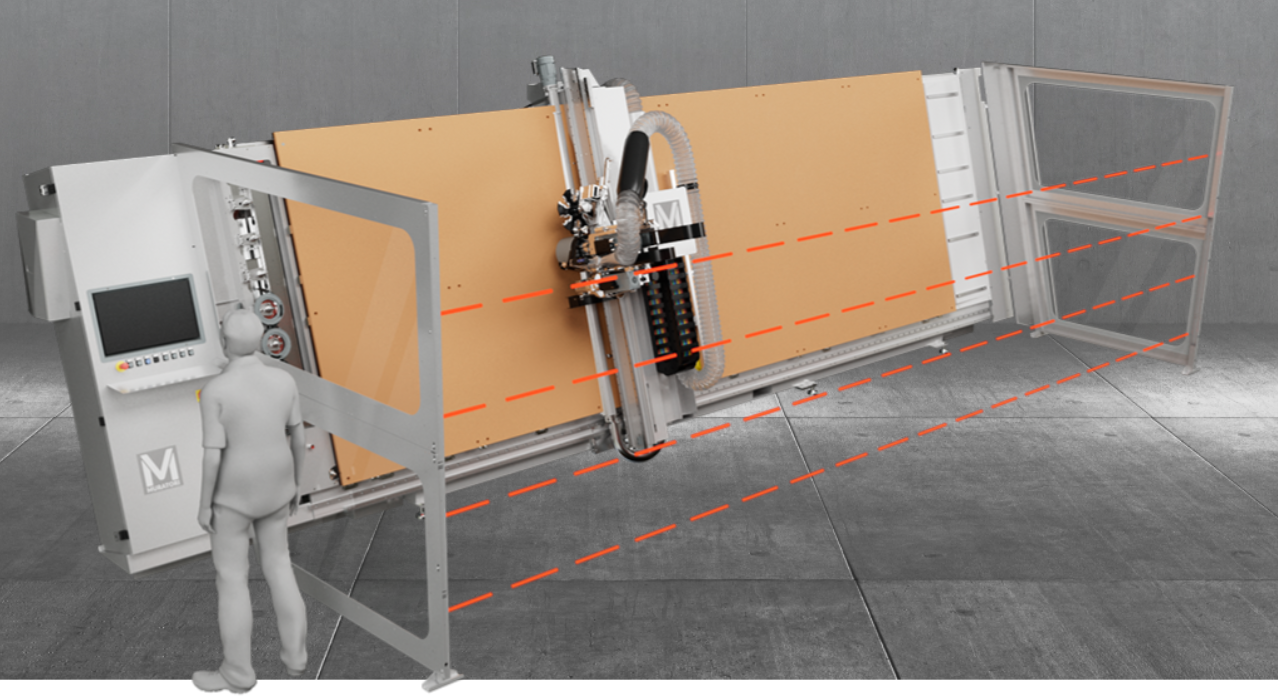
That range matters when facade workloads fluctuate.
A processor waiting for the next major building-envelope contract can potentially redirect available capacity toward smaller production runs or adjacent applications. Interior panels, transport components, industrial elements, signage and other customised panel products can all create additional workloads without requiring an entirely separate machining platform.
The economics become even more relevant when production volumes change frequently. Short-run manufacturing places greater emphasis on setup time, material handling and changeover efficiency. A machine may have considerable theoretical capacity, but that capacity has limited commercial value if operators spend excessive time preparing the next job.
Automation therefore becomes part of the flexibility equation.
Muratori Machines’ automated systems handle key stages including panel loading, positioning and unloading, with the company stating that its automated loading and unloading technology can support continuous operation with one operator. The company also offers Alu Bender, a multifunctional automatic machine for panel-edge processing, extending automation beyond CNC cutting and machining.
For manufacturers, the objective is not simply to process more panels per hour. It is to keep productive capacity working across different orders, materials and sectors.
This represents a shift in how CNC investment can be evaluated. Processing speed and working dimensions remain important, but material compatibility, automation, floor-space requirements, changeover efficiency and application range increasingly determine how effectively a machine can generate value throughout the year.
In a cyclical facade market, flexibility can therefore serve as a form of production insurance. The factory remains anchored in facade manufacturing, but its equipment is not restricted to the timing of facade projects.
Source: Glass Balkan