

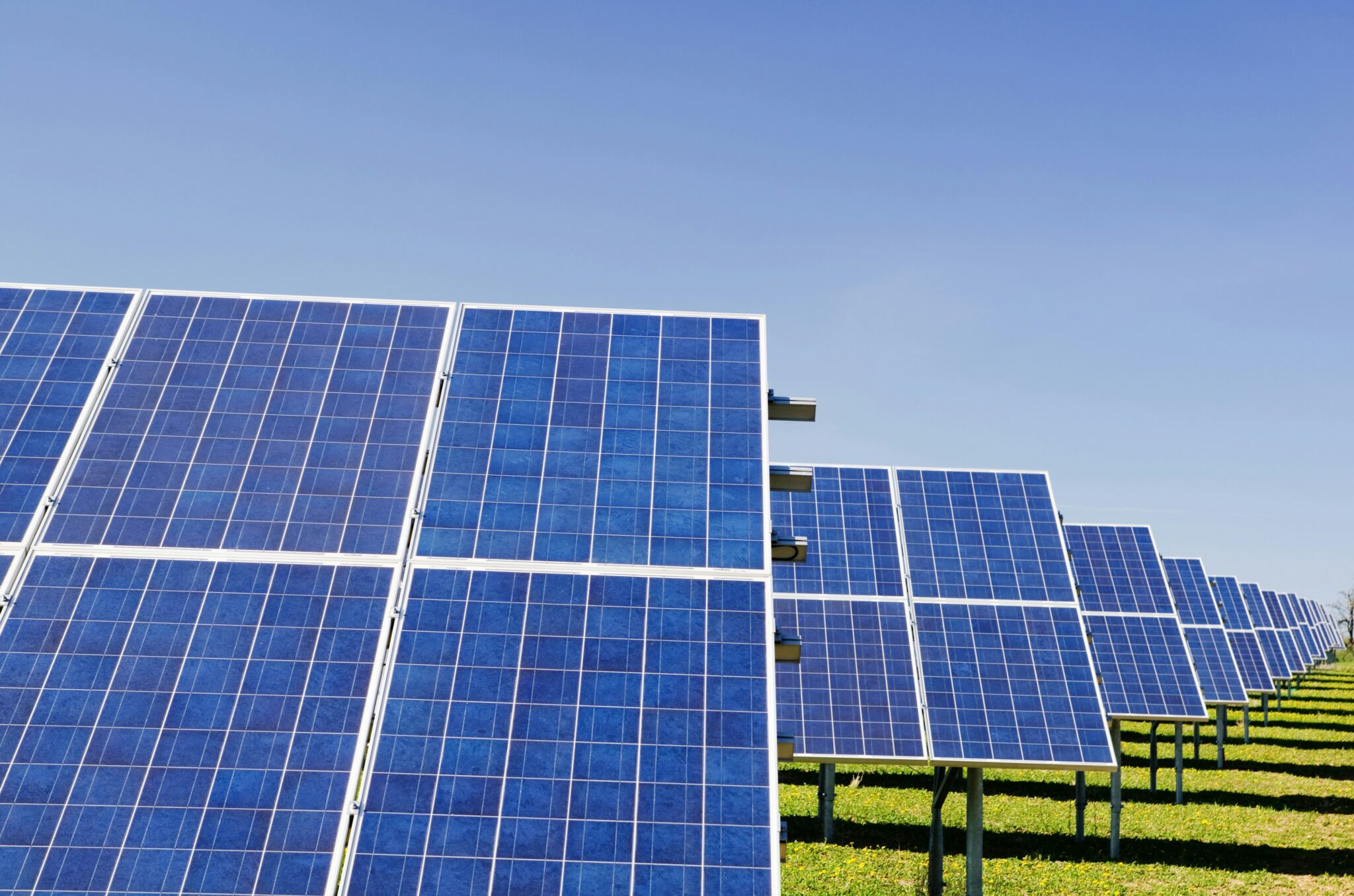
Albania is entering a crucial phase in its energy transition, combining major investments with sweeping market reforms to reduce reliance on hydropower and bolster energy security. As the country moves toward a liberalised electricity market, solar power is rapidly becoming a cornerstone of its energy strategy.
A significant milestone was recently reached in Tirana, where senior officials from the European Union, the European Bank for Reconstruction and Development (EBRD), and the Albanian government signed agreements for the 50 MWp Belshi Solar Photovoltaic Power Plant. The project, backed by a €39.2 million financing package, includes an €8 million EU investment grant, €1.2 million in technical assistance, and an EBRD sovereign loan of up to €30 million. Once operational, Belshi is expected to generate over 70 GWh of renewable electricity annually, making a meaningful contribution to Albania’s solar capacity.
EU Ambassador Silvio Gonzato highlighted that the project reflects Europe’s commitment to Albania’s energy transition and broader Green Agenda objectives. Despite deriving around 95% of its electricity from renewables, Albania remains heavily dependent on hydropower, leaving it vulnerable to droughts and climate impacts. The Belshi plant addresses this challenge by adding stable, climate-resilient solar generation to the grid.
According to energy expert Professor Lorenc Malka, solar energy is vital for balancing Albania’s hydropower-dependent system. With some of the highest solar irradiance levels in the Western Balkans, particularly in regions like Fier, Vlora, Saranda, Berat, and Korça, the country has immense potential for solar expansion. Law No. 24/2023 now provides a modern framework for renewable support, including Power Purchase Agreements (PPAs), Contracts for Difference (CfDs), and Premium Agreements, as well as clear rules for stored energy eligibility. 
Investment tools such as capital grants covering 20–50% of installation costs, tax incentives, and low-interest loans can accelerate solar adoption among households, municipalities, and small businesses. Market-based mechanisms, including auctions and feed-in tariffs, are expected to drive medium and large-scale solar projects as Albania’s market matures.
The Belshi project will be implemented by KESH, the state-owned utility supplying about 65% of Albania’s electricity. It also incorporates training programs and incentives to promote women’s employment in the renewable sector.
Source: Glass Balkan