Glass manufacturing is entering a period where operational complexity can no longer be managed effectively through manual processes alone. Labour shortages, tighter margins, increasing product customisation and shorter lead times are placing greater pressure on fabricators to improve both efficiency and control.
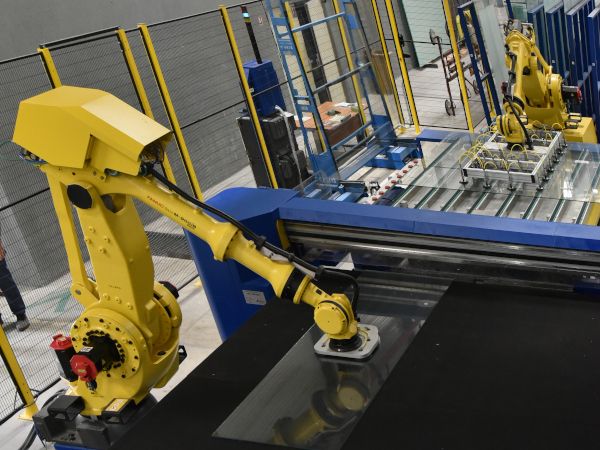
Automation is becoming central to this transition. By connecting workflows across quoting, optimisation, production, inventory and delivery, manufacturers can reduce manual intervention and limit the errors that occur when information is transferred between disconnected systems. The result is greater consistency and clearer visibility across the factory.
Artificial intelligence takes this further by turning operational data into actionable insight. AI can identify production patterns, highlight bottlenecks and support decisions around scheduling, maintenance, capacity and material requirements. Rather than relying solely on historical reports or individual experience, manufacturers can increasingly respond to live production data.
The value is not simply faster machinery or fewer employees. Effective automation reduces dependency on individual knowledge, standardises best practices and allows experienced teams to focus on higher-value decisions. 
For many companies, the first step does not require a complete digital transformation. Existing manufacturing software may already contain automation and AI capabilities that remain underused.
Source: A+W Software with additional information added by Glass Balkan