For more than a century, the skyscraper has represented the intersection of architecture, structural engineering and technological advancement. Each successive generation of tall buildings has introduced new structural systems, materials and construction methods that have extended the practical limits of height while responding to increasingly demanding requirements for safety, efficiency and performance.
As buildings become taller, however, the engineering challenges grow disproportionately. Wind-induced movement, seismic response, foundation behaviour, vertical transportation, fire safety, occupant evacuation and long-term operational performance become critical determinants of feasibility. Architectural ambition alone is insufficient; every proposal must be supported by technologies capable of delivering reliable performance throughout the building’s service life.
Not every landmark proposal reaches construction. Some projects are abandoned because economic conditions change, while others reveal technical uncertainties that cannot be resolved with available engineering methods or acceptable levels of risk. These unbuilt towers remain valuable case studies, illustrating how engineering assessment and risk management define the boundaries of contemporary high-rise construction.
The Illinois
Location: Chicago
Proposed height: 1,609 m 
Proposed in 1956 by Frank Lloyd Wright, The Illinois was conceived as the world’s first mile-high skyscraper. The mixed-use tower was designed to accommodate approximately 100,000 occupants within a single vertical structure, incorporating offices, residential space, retail functions and parking. Wright proposed an innovative tripod structural system together with high-speed double-deck elevators to address circulation at an unprecedented scale.
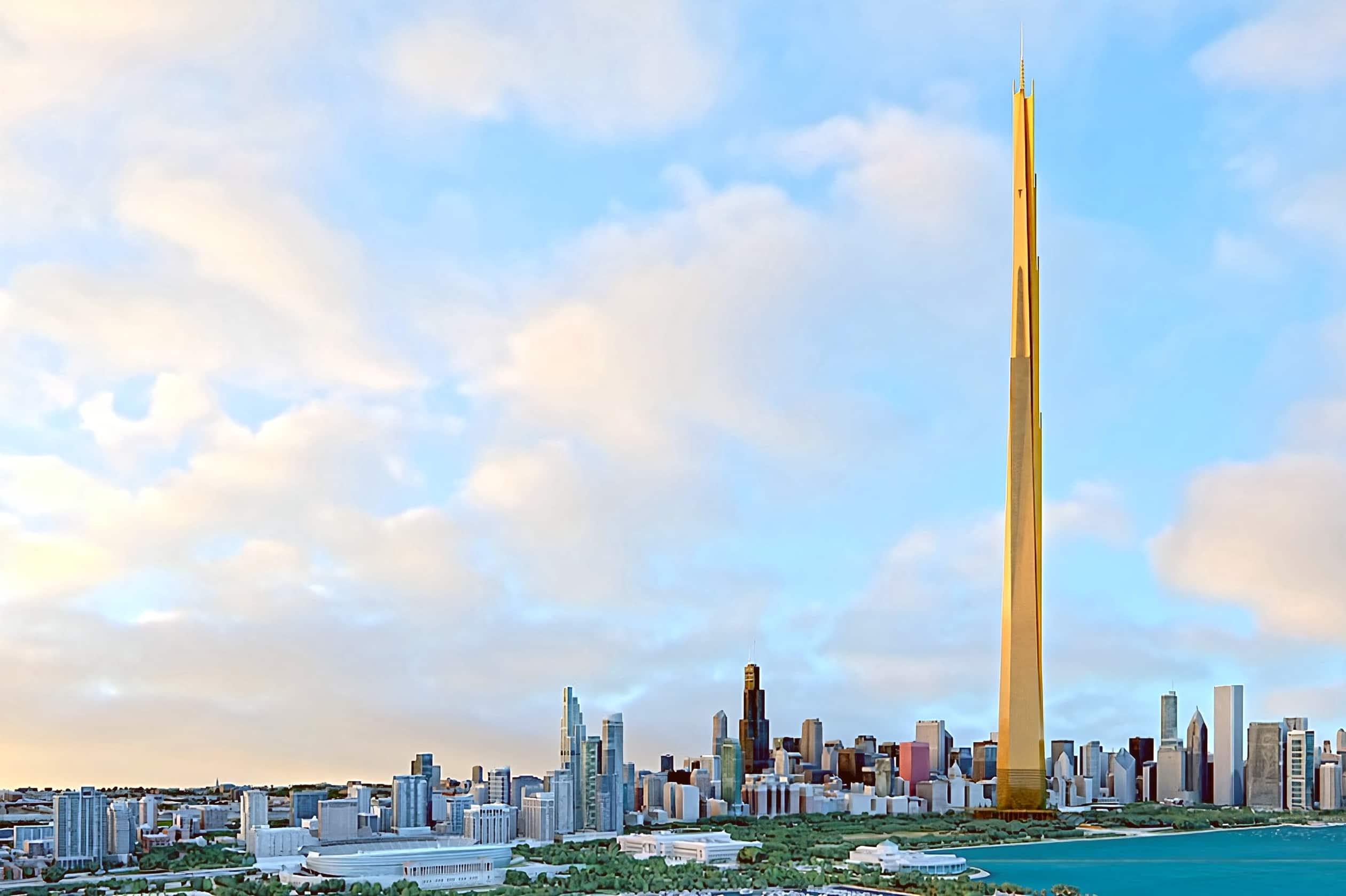
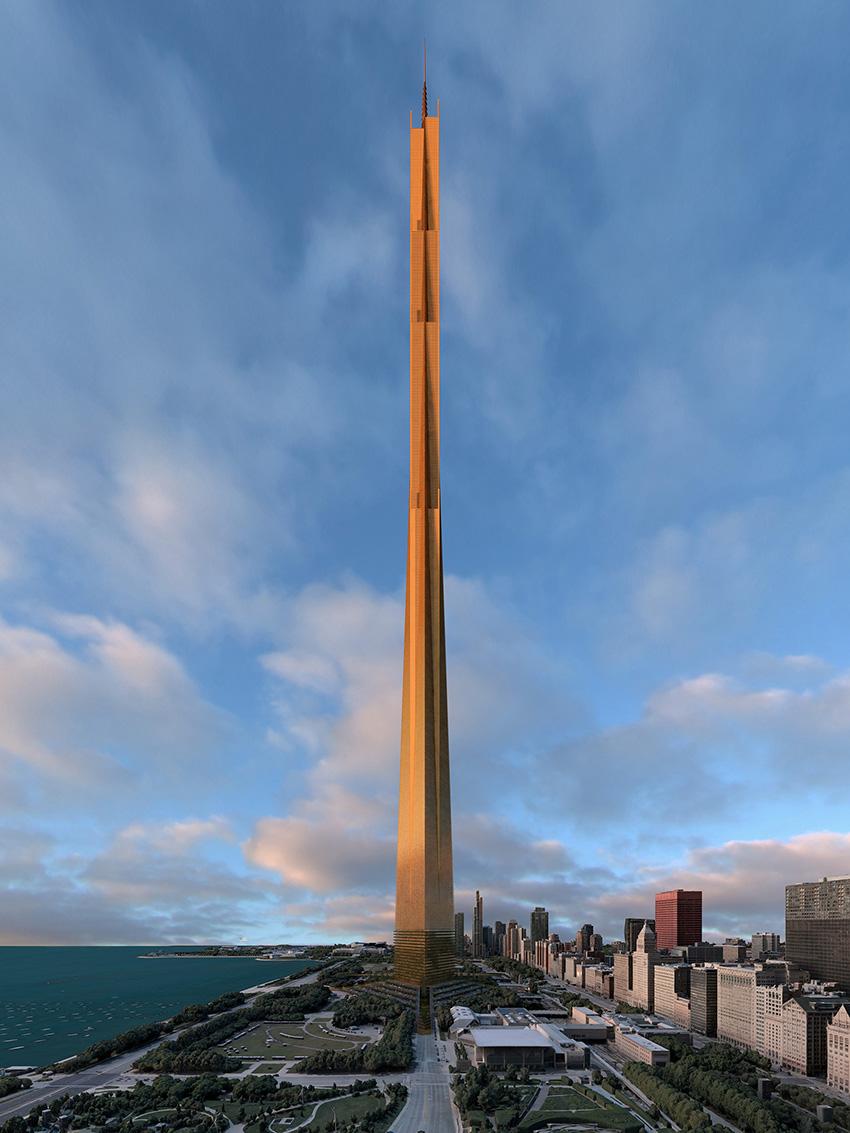
Despite its conceptual significance, the proposal exceeded the engineering capabilities of its time. Available structural materials, foundation engineering, elevator technology and fire protection systems could not reliably support a building of such height. Wind-induced structural behaviour remained insufficiently understood, while construction methods capable of assembling a structure exceeding 1.6 kilometres had yet to be developed. The project therefore remained a theoretical study rather than a buildable proposal.
Nakheel Tower
Location: Dubai
Proposed height: More than 1,000 m
Nakheel Tower formed the centrepiece of the proposed Nakheel Harbour development in Dubai and was designed to exceed one kilometre in height. The tower combined residential, commercial, hospitality and observation functions within a structural system developed specifically to withstand the extreme lateral forces associated with supertall construction.
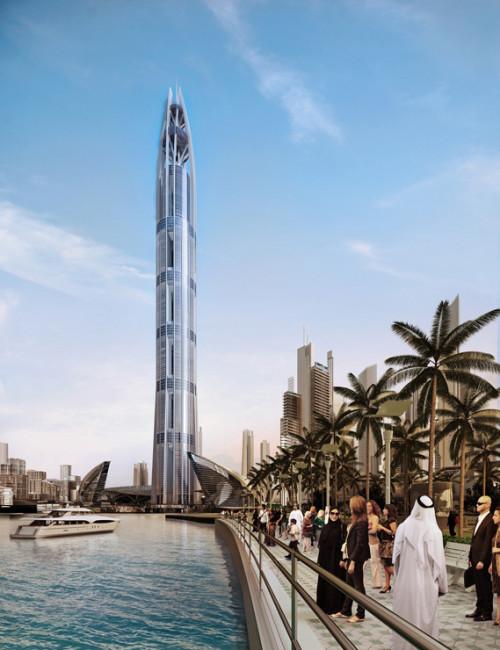
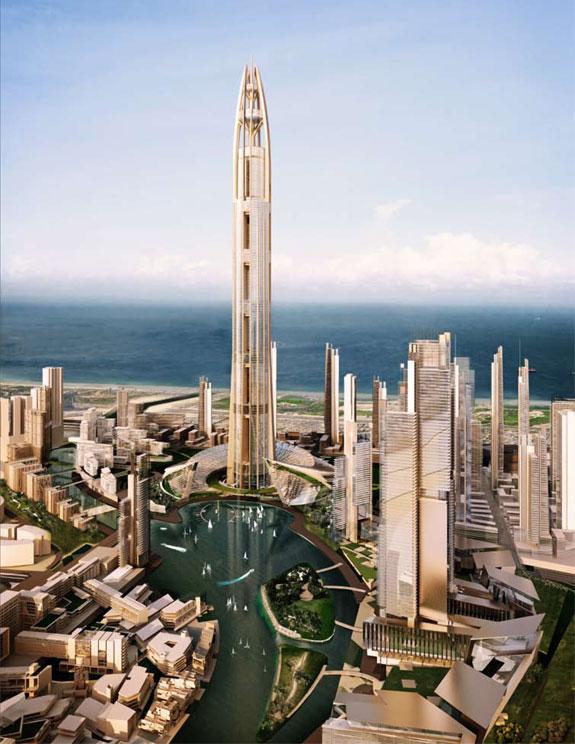
Construction was suspended following the 2008 global financial crisis, but the project’s scale also presented substantial engineering challenges. Foundation design, vertical transportation systems, construction logistics and long-term building maintenance required solutions that significantly exceeded conventional high-rise practice. Combined with changing market conditions, these technical complexities contributed to the project’s cancellation.
X-Seed 4000
Location: Tokyo
Proposed height: 4,000 m
Developed as a conceptual study by the Taisei Corporation, X-Seed 4000 proposed a self-contained vertical city extending approximately four kilometres above Tokyo Bay. The structure was intended to accommodate several hundred thousand residents within a climate-controlled environment protected by an external structural shell.
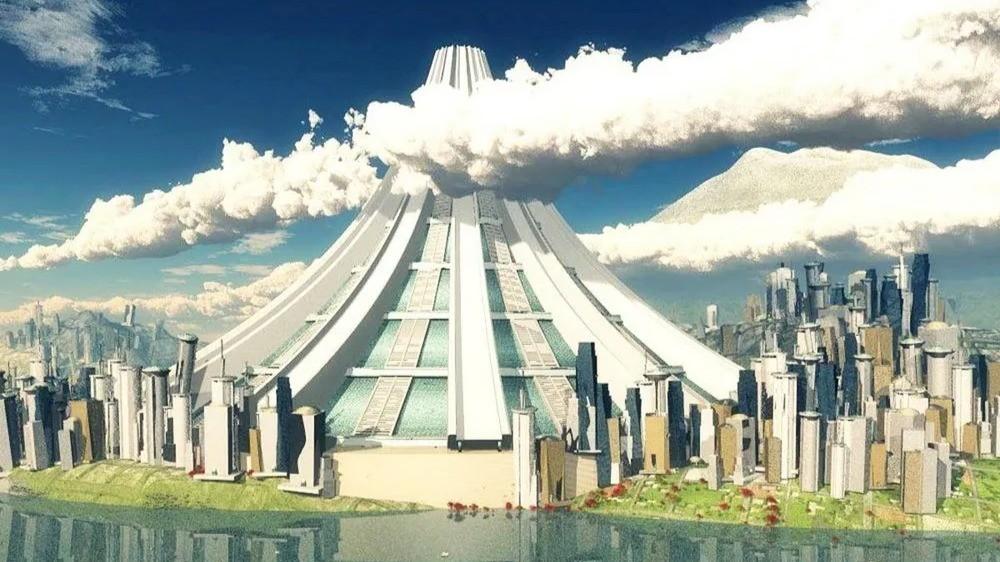
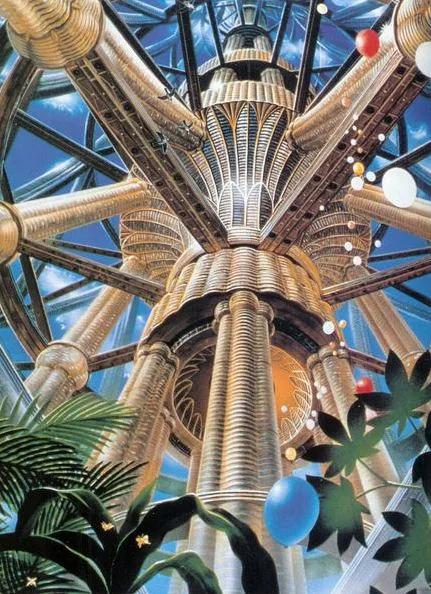
The proposal has never progressed beyond concept development because it remains beyond the limits of current engineering. A structure of this scale would be subjected to unprecedented wind pressures, thermal variation and seismic loading, while requiring structural materials with strength-to-weight characteristics unavailable in present-day construction. Estimated costs exceeding US$300 billion further reinforced its impracticality, making X-Seed 4000 an exercise in theoretical engineering rather than a viable development.
Sky City
Location: Changsha
Proposed height: 838 m
Sky City attracted international attention through its proposal to construct an 838-metre mixed-use tower using an extensive prefabricated modular system. The developer claimed the building could be assembled within approximately three months, positioning the project as a demonstration of rapid industrialised construction.
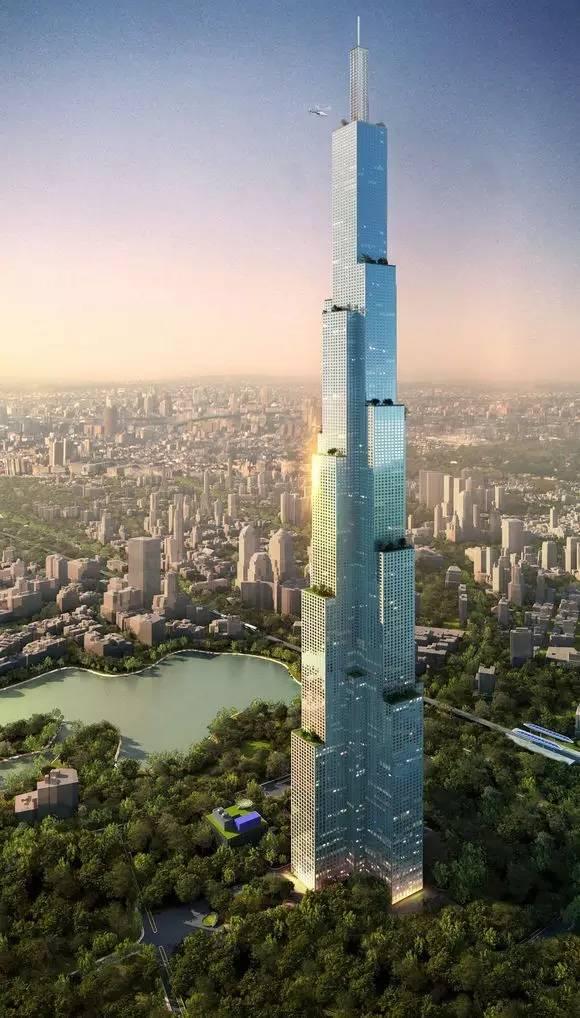
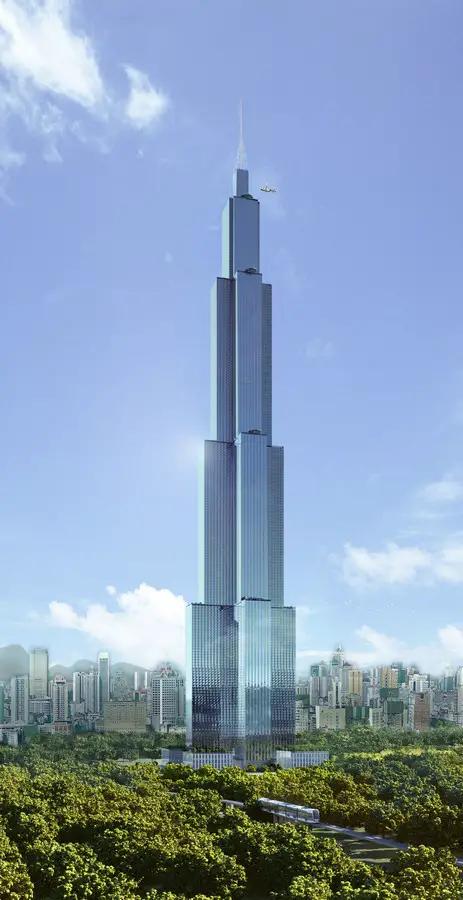
Although the modular approach represented a significant departure from conventional skyscraper construction, regulatory authorities suspended the project before major works commenced. Concerns focused on structural verification, emergency evacuation, fire protection, environmental approvals and the absence of sufficient validation for construction at such speed and scale. Without comprehensive regulatory approval, the project did not proceed.
Russia Tower
Location: Moscow
Proposed height: 612 m
Designed by Norman Foster, Russia Tower was planned as the principal landmark of the Moscow International Business Centre. The mixed-use development combined office space, residential accommodation, hotel facilities and public observation levels within what would have become Europe’s tallest building.
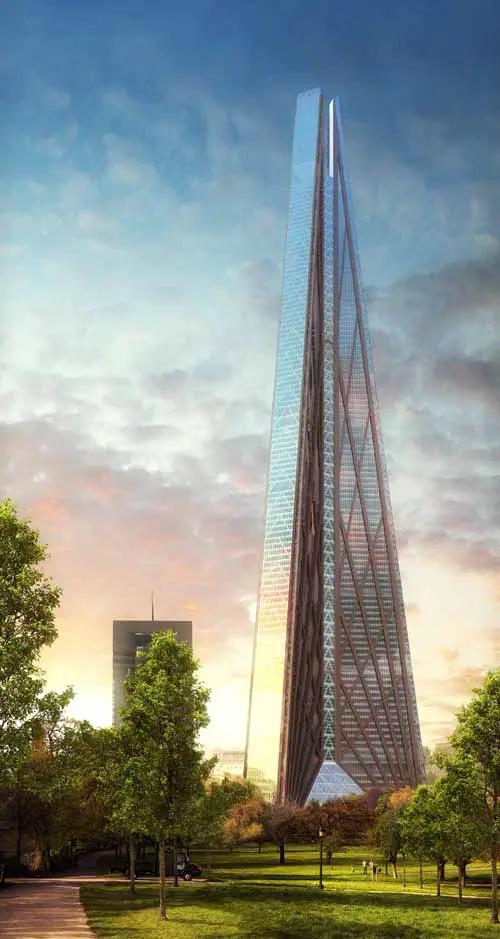
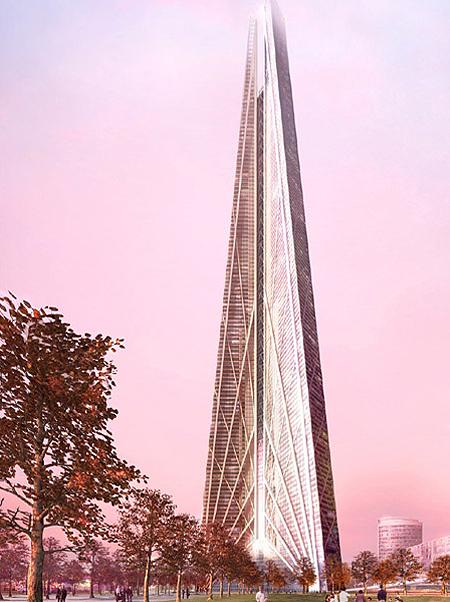
Construction preparations were initiated before the global financial crisis significantly altered investment conditions. Alongside funding constraints, the complexity of delivering a structure exceeding 600 metres introduced considerable engineering and construction risk. Escalating costs and declining investor confidence ultimately resulted in cancellation before construction commenced.
Chicago Spire
Location: Chicago
Proposed height: 610 m
Designed by Santiago Calatrava, the Chicago Spire proposed a 150-storey residential tower distinguished by a continuously rotating floor plate, producing a helical external form intended to reduce aerodynamic loading while establishing a distinctive architectural identity.
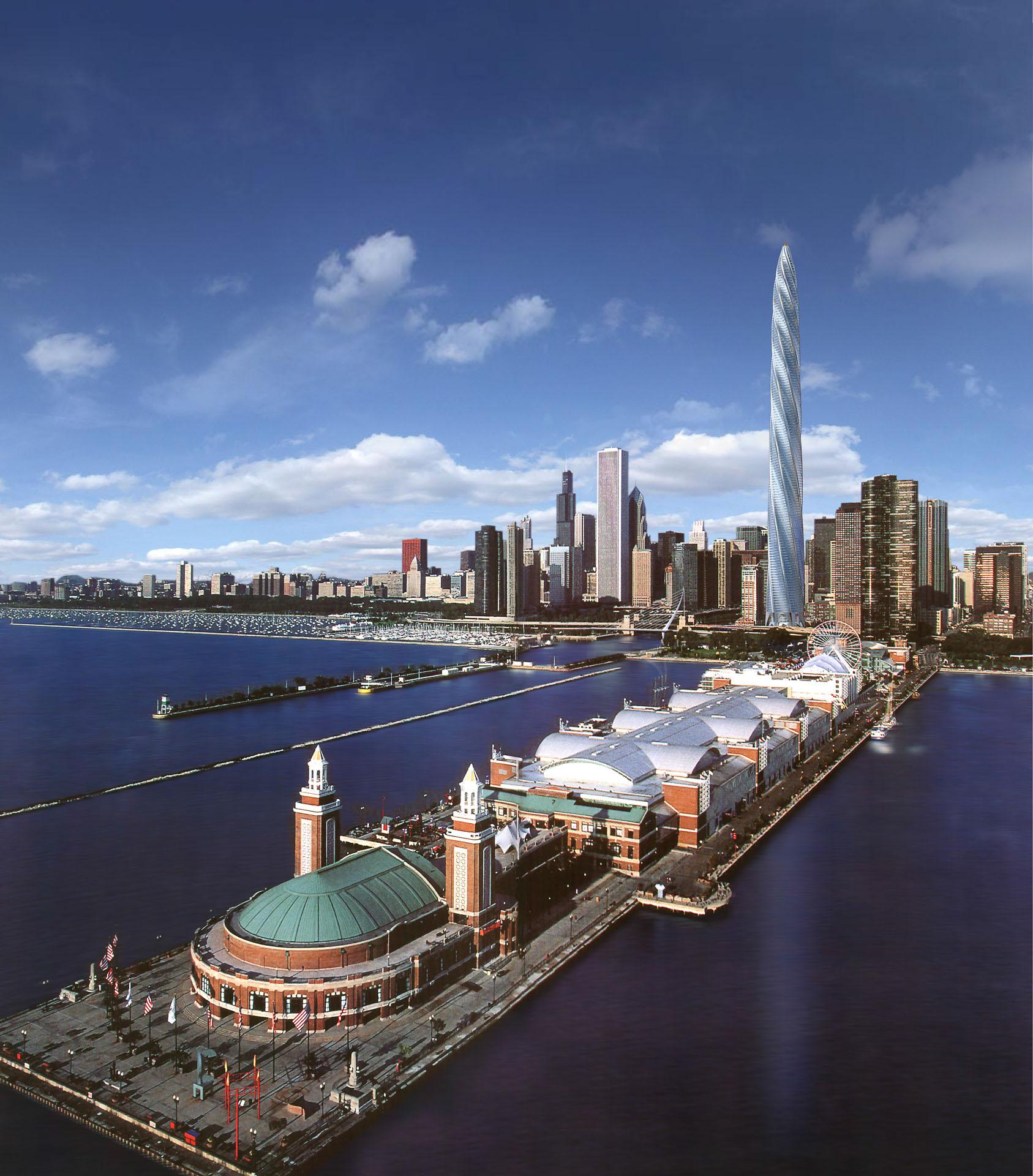
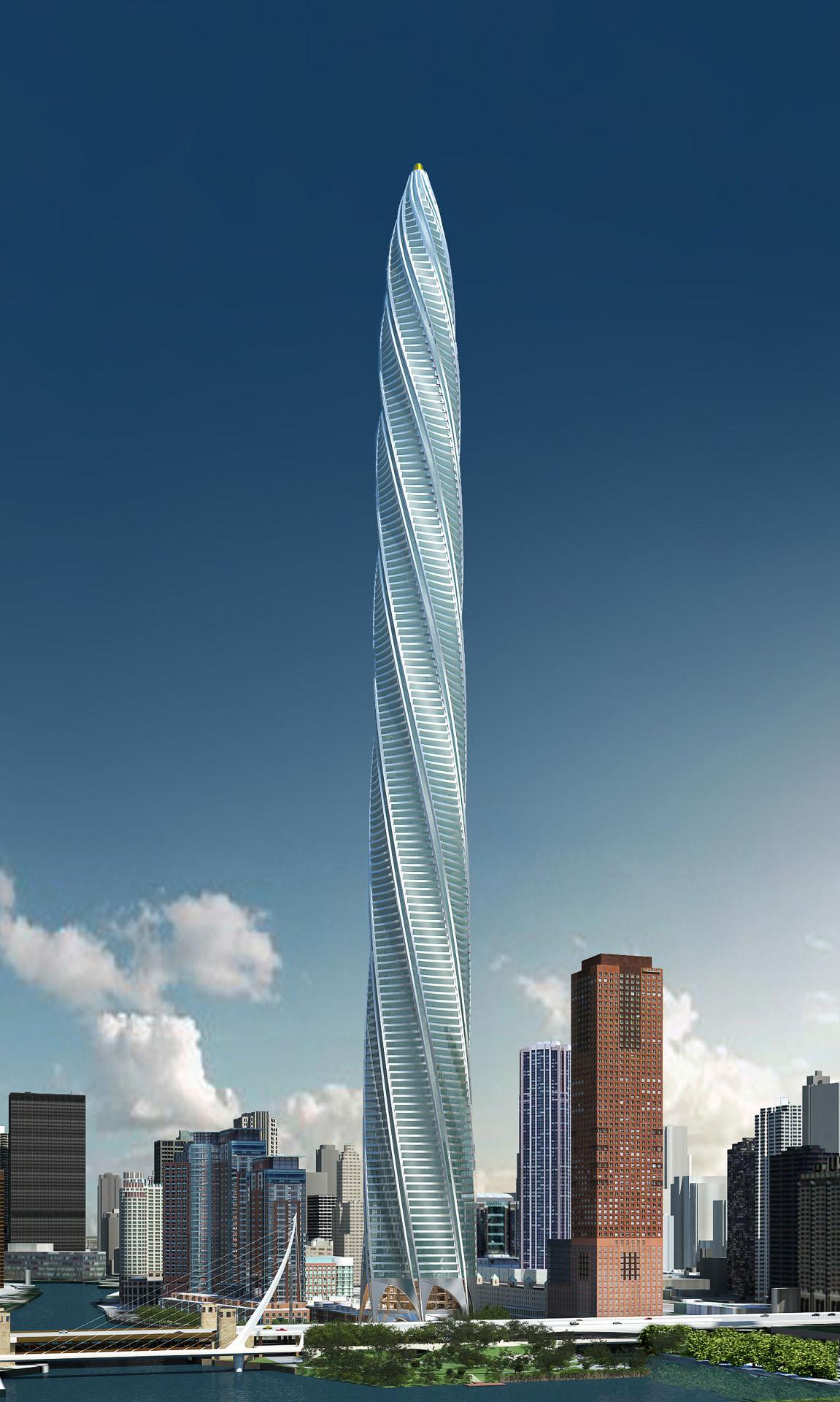
Construction began in 2007, and excavation together with the reinforced concrete foundation was completed before the global financial crisis interrupted project financing. Although engineering solutions had been developed for the tower, the combination of rising construction costs, financial instability and investor withdrawal prevented further progress. The completed foundation remains the only physical remnant of the project.
Crystal Island
Location: Moscow
Also designed by Norman Foster, Crystal Island was conceived as a mixed-use megastructure containing approximately 2.5 million square metres of floor area beneath a diagrid structural envelope. Rather than pursuing extreme height, the proposal focused on creating one of the largest enclosed buildings ever designed, incorporating cultural facilities, offices, residential accommodation, hotels and public spaces.
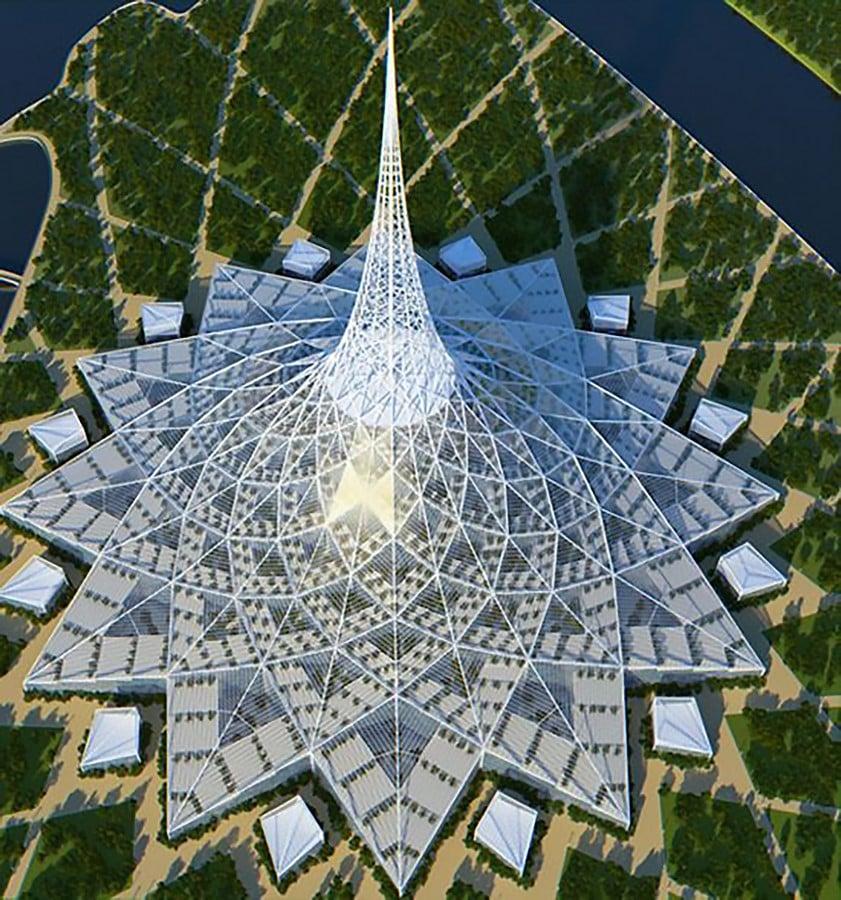
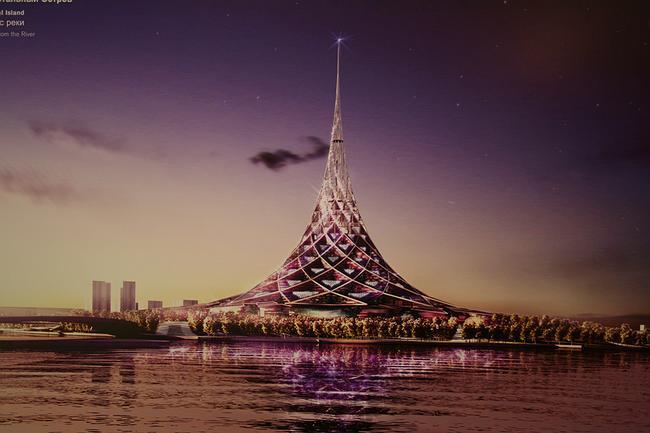
The project’s exceptional scale generated significant structural, environmental and operational challenges, including construction sequencing, building services integration and long-term maintenance requirements. Combined with the economic downturn of 2008, these factors prevented the project from advancing beyond the planning stage.
Dubai City Tower
Location: Dubai
Proposed height: Approximately 2,400 m
Dubai City Tower proposed a multi-tower vertical development rising approximately 2.4 kilometres, interconnected through a system of sky bridges and advanced transportation networks. The concept envisioned an integrated urban environment containing residential, commercial, hospitality and civic functions distributed throughout the structure.
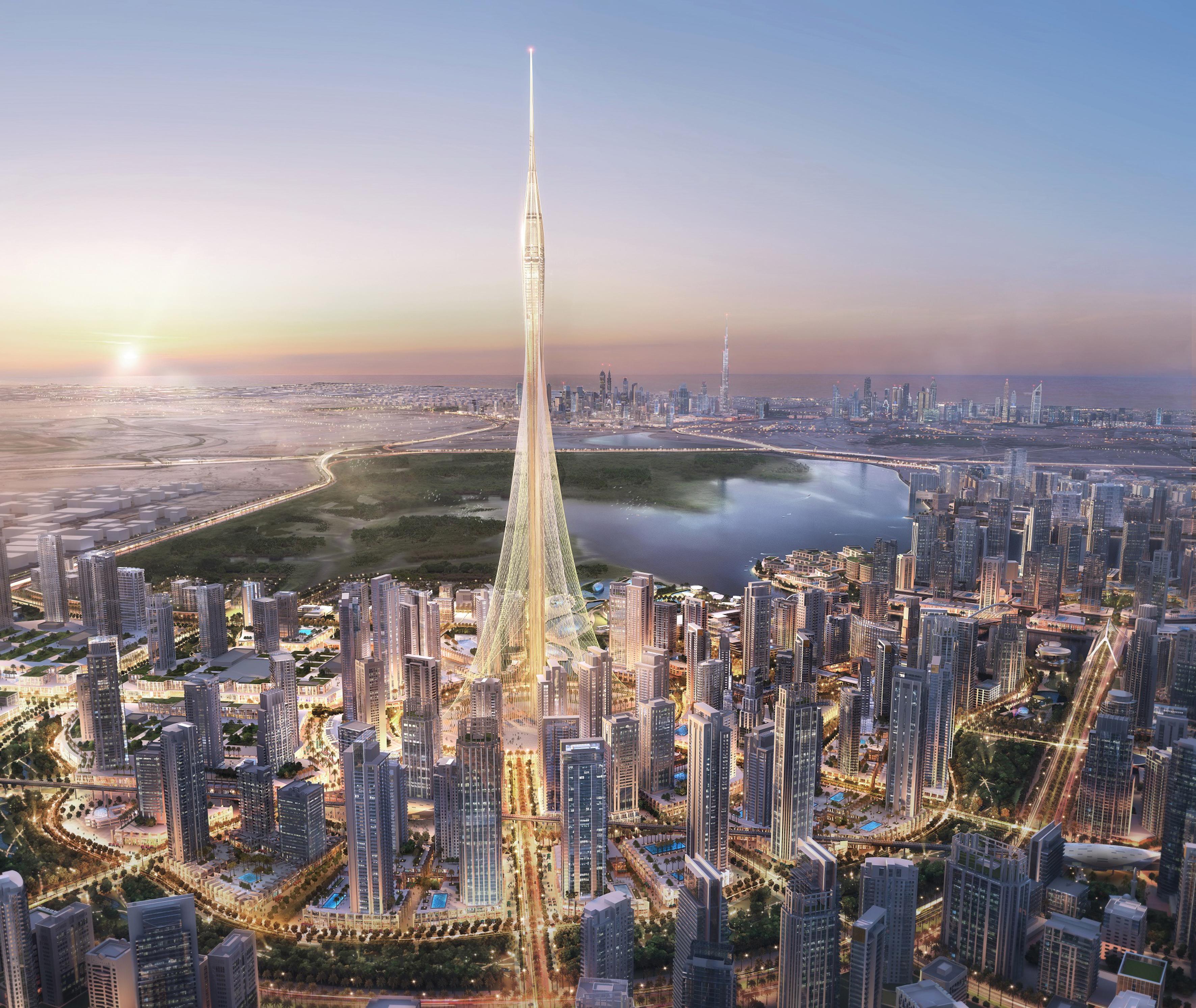
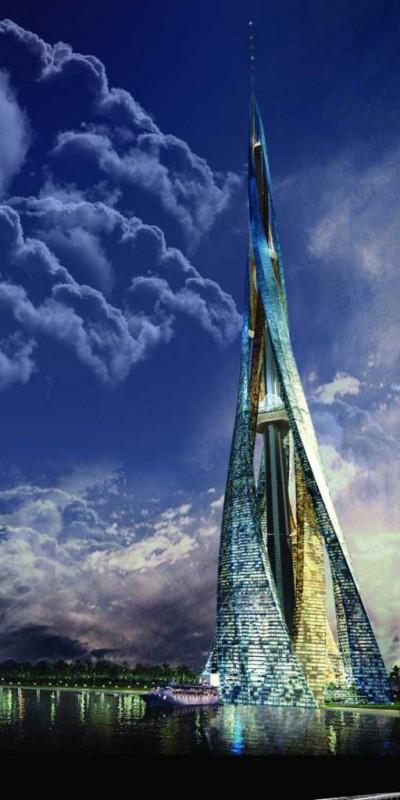
The proposal remained conceptual because the engineering requirements substantially exceeded available technology. Structural behaviour under extreme wind loading, elevator travel distances, foundation performance, construction methodology and long-term operational management presented unresolved technical challenges. Without practical engineering solutions capable of supporting implementation, the project was never developed beyond the design stage.
Source: Glass Balkan