A long-standing partnership between Arbonia and LiSEC is entering a new phase of industrial automation, with the successful implementation of a high-performance slot rack system designed to transform glass logistics and warehouse efficiency.
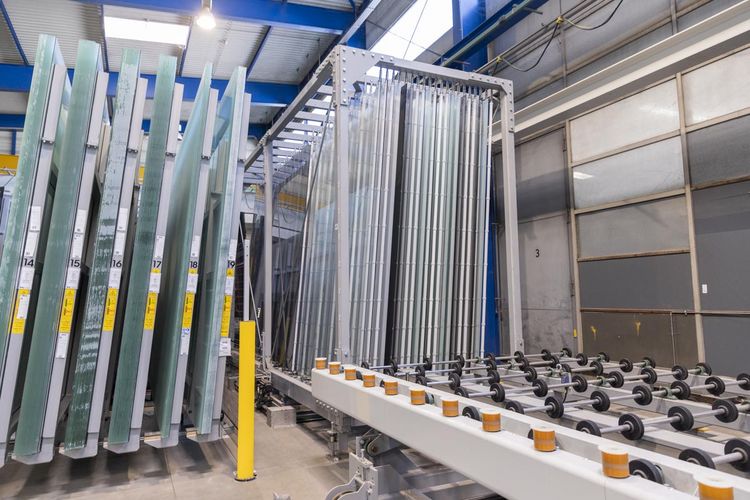
At the center of the project is LiSEC’s newly installed LBR slot rack, now operating as a key component in Arbonia’s automation strategy. The solution was developed to optimize storage density, streamline raw glass handling, and improve production flexibility within Arbonia’s manufacturing facility, which specializes in laminated safety glass (LSG), tempered safety glass (TSG), heat-strengthened glass (HSG), and float glass products for the B2B market.
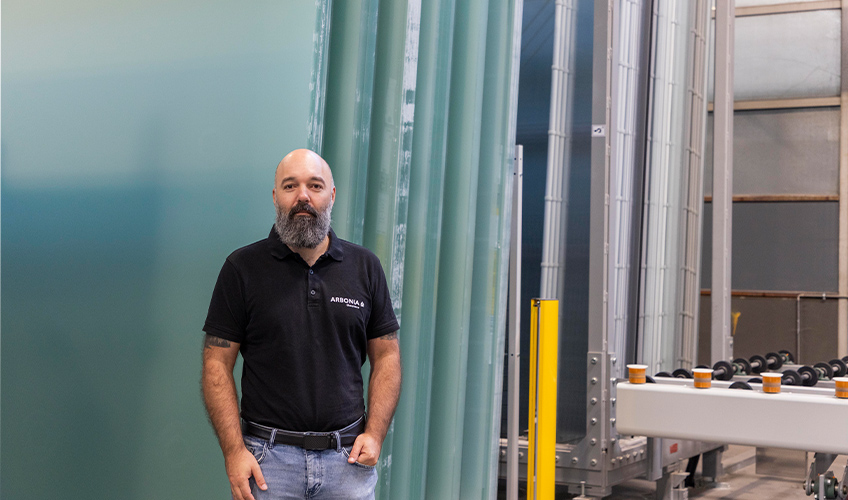
With approximately 135 employees at the site, Arbonia focuses heavily on industrial-scale production and process reliability. Although the company also produces customized glass solutions, its operational strength lies in highly efficient serial manufacturing with batch sizes as small as one unit. To support this demanding workflow, automation and rapid material accessibility have become increasingly critical.
The latest installation significantly expands Arbonia’s storage capabilities while reducing manual handling requirements. According to Matthias Baumgartner, Technical Operations Manager at Arbonia, the slot rack has nearly doubled storage capacity while maintaining rapid access to all glass types in stock. The system works in combination with LiSEC’s gantry loading technology, enabling automated stacking and restacking processes that optimize cutting line utilization and reduce downtime. 
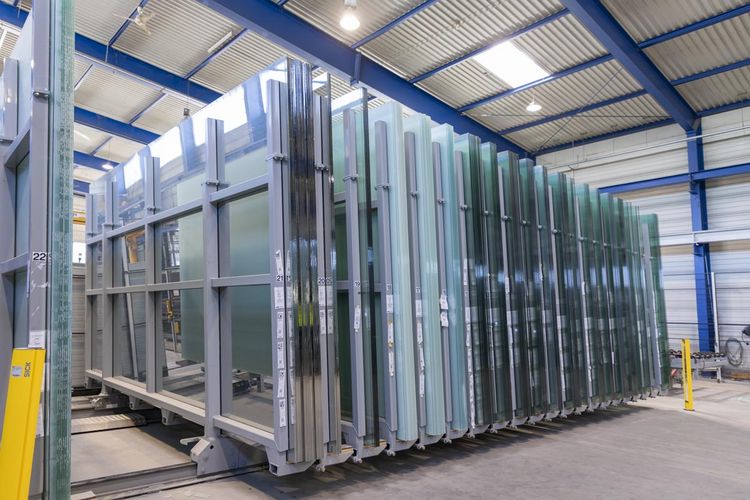
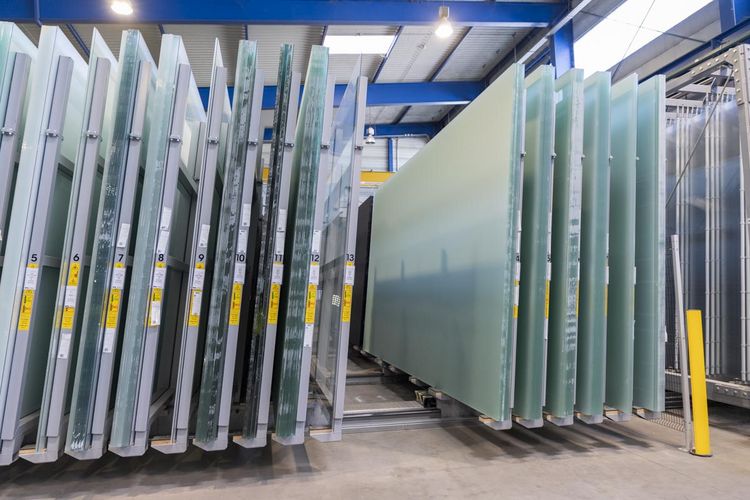
A major advantage of the project was the speed of implementation. The transition from the previous stationary A-rack system to the fully operational slot rack was completed within a single working week. Old systems were dismantled on Sunday, while production resumed with the new automated warehouse by Friday, minimizing disruption to ongoing operations.
Beyond operational efficiency, the automation upgrade has also improved workplace ergonomics and employee productivity. Heavy manual restacking tasks have been largely eliminated, allowing operators to focus on more qualified production activities. The system is currently running continuously in three-shift operation, with Arbonia highlighting its robustness and reliability under demanding industrial conditions.
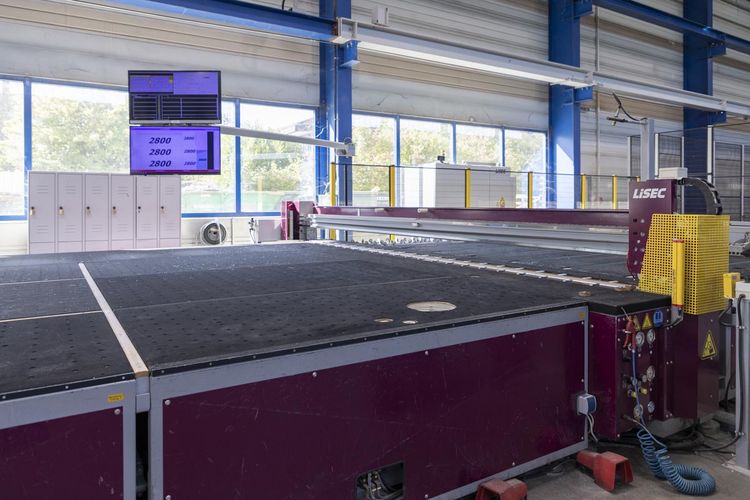
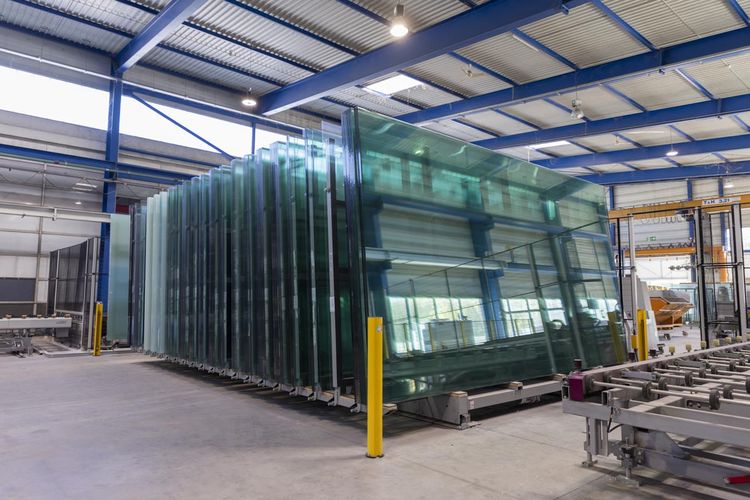
The collaboration also demonstrates the importance of long-term technical partnerships in modern glass manufacturing. Because LiSEC already had deep familiarity with Arbonia’s production infrastructure, integrating the new solution was faster and more seamless. The companies continue to work closely on process optimization, interface development, and customized automation concepts tailored to Arbonia’s production requirements.
As glass manufacturers across Europe continue investing in digitalization and automation, the Arbonia–LiSEC project reflects a broader industry shift toward smarter logistics, higher throughput, and more resilient production systems.
Source: LiSEC with additional information added by Glass Balkan