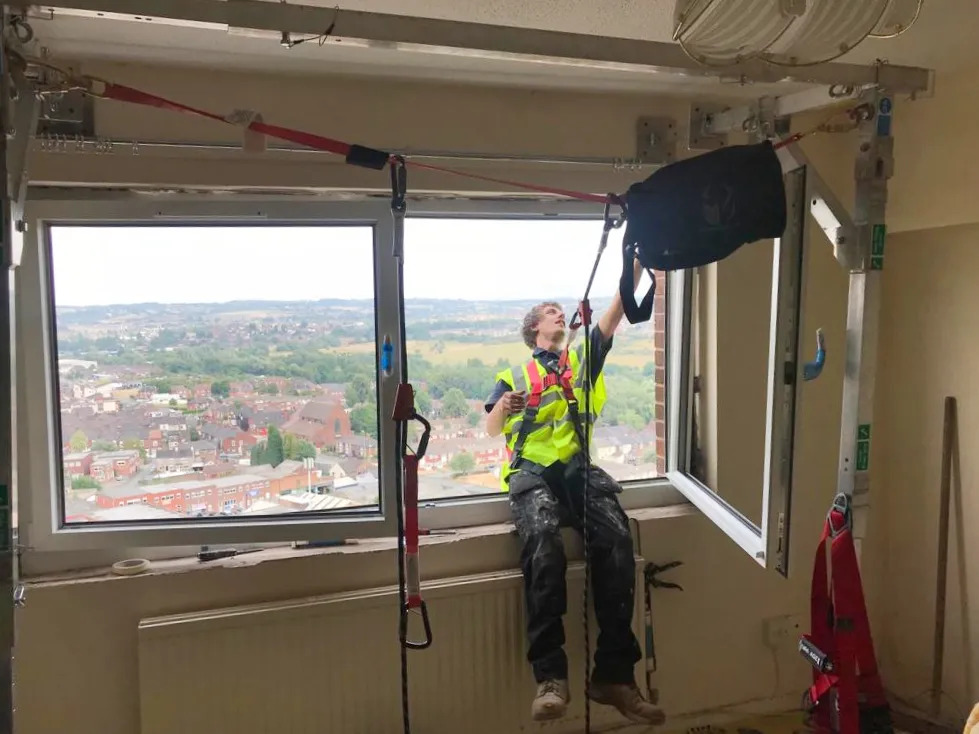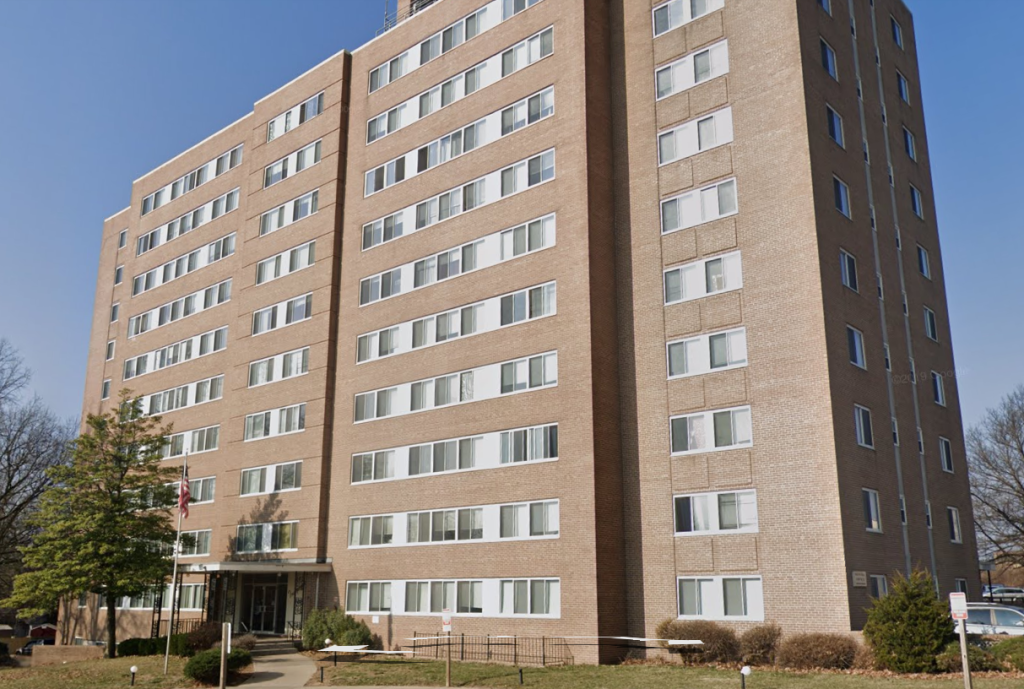
A lawsuit filed in Kansas City against Crown Diversified Industries Corp. has brought renewed attention to window safety standards in high-rise residential buildings. The legal action follows a fatal fall from a ninth-floor apartment and centres on the design, specification, and installation of a window system used in a multi-family residential tower.
According to court filings, the window involved was a horizontal sliding unit installed in 2015 as part of the building’s original fit-out. The claim alleges that the window relied primarily on standard locking hardware and did not include additional fall-protection measures commonly specified for elevated residential applications.
The lawsuit argues that the absence of secondary safety features, such as window opening control devices, limit stops, or window guards, made the window unsuitable for use in a high-rise residential environment. Court documents state that such features were well known within the window industry at the time of installation and could have been implemented without significant technical difficulty.
The claim further asserts that the window configuration created an unreasonably dangerous condition when used in a residential setting, particularly in upper-floor apartments where fall risk is inherently higher. 
While the installer denies wrongdoing and the case will be decided through the courts, the situation has triggered broader discussion across the façade and fenestration sector.
Beyond the legal arguments, the case highlights a recurring industry challenge: windows are often specified as standard products without sufficient adaptation to building height and occupancy type.
In high-rise residential projects, best practice increasingly calls for layered safety solutions, including:
- Window opening control devices to restrict initial opening
- Integrated mechanical restrictors or limiters
- Fall-prevention guards where required by code or risk assessment
- Locking systems designed for long-term reliability
These measures are now widely available across aluminium, PVC, and timber window systems and are increasingly referenced in building codes, housing standards, and insurer requirements.
The lawsuit also raises questions about responsibility across the project chain. Architects, developers, window manufacturers, system suppliers, and installers all influence how windows are ultimately configured and delivered on site.
In residential towers, window safety should be treated as a core design and compliance issue, not a value-engineered detail. Decisions made during specification and procurement can have long-term implications for occupant safety, regulatory exposure, and building reputation.
As the legal process continues, the case serves as a reminder to the wider construction sector: window systems must be selected and configured with real-world use in mind.
In high-rise residential buildings, choosing the right window, complete with appropriate safety features, is not optional. It is fundamental to responsible building design and delivery.
Source: USGlassMag with additional information added by Glass Balkan