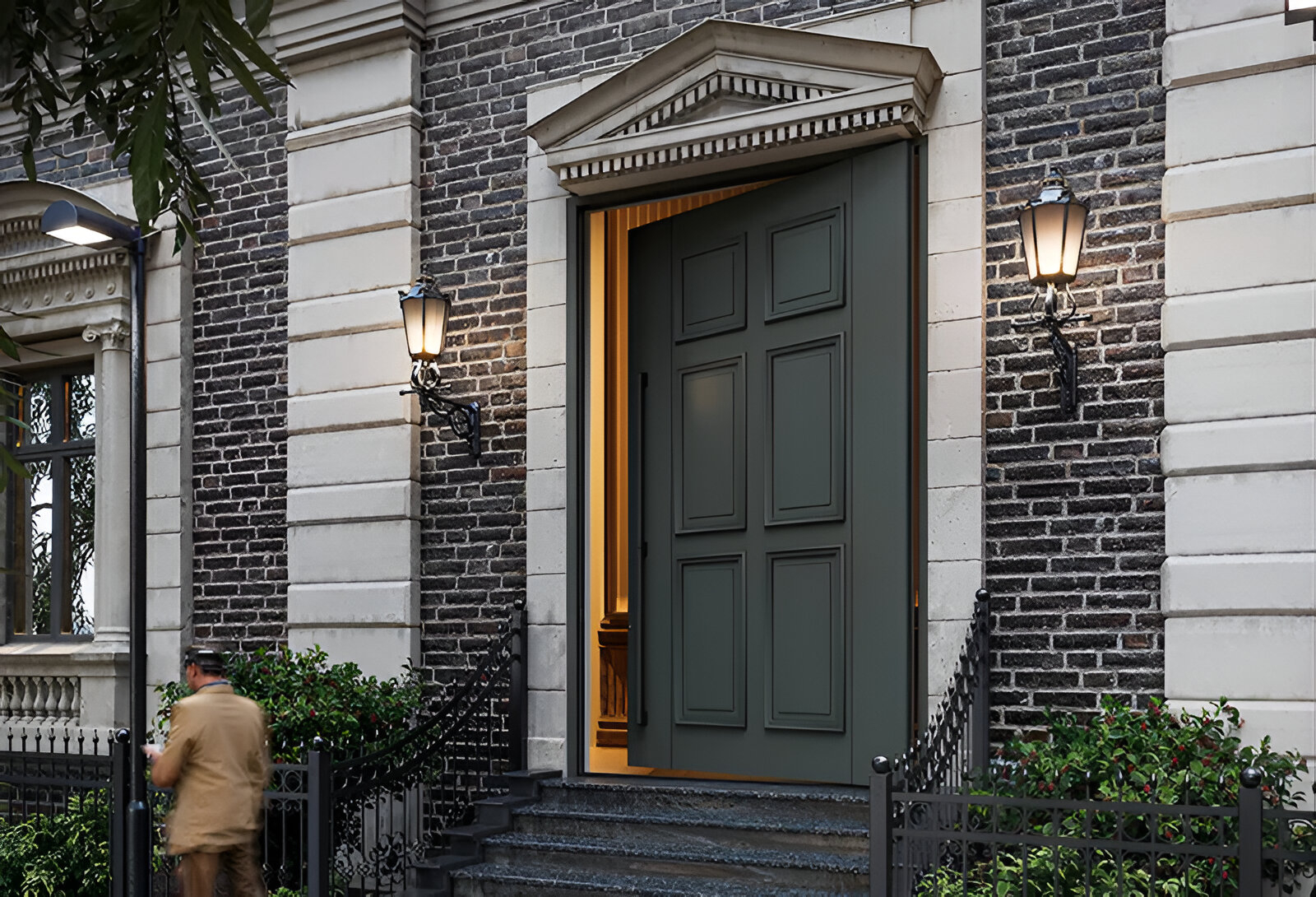
In low winter temperatures, entrance doors play a critical role in maintaining indoor comfort and energy efficiency. TEHNi aluminium doors combine thermal insulation, structural durability, and long-term performance, addressing both environmental and functional demands.
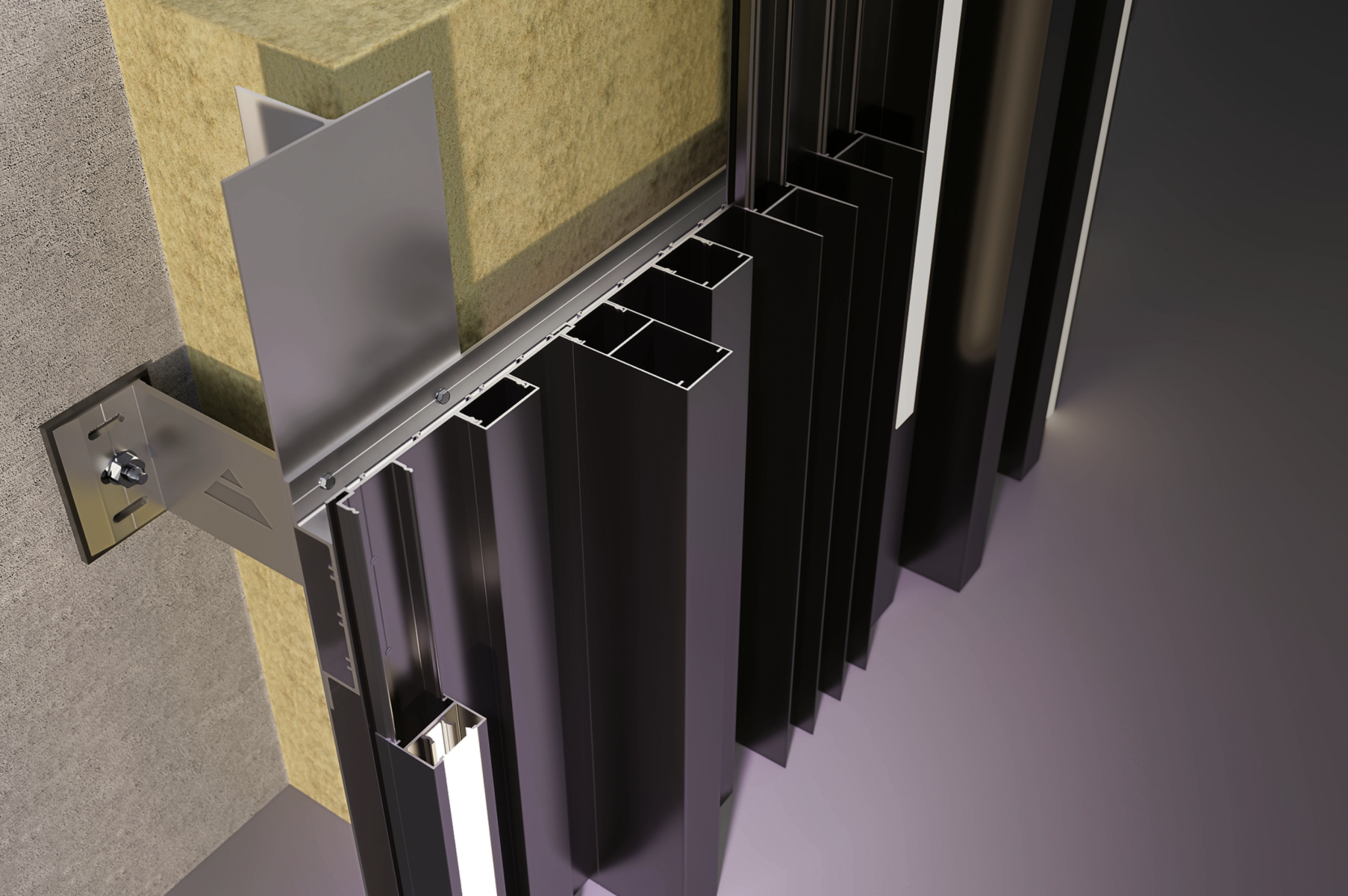
The doors incorporate advanced thermal insulation technology. Aluminium, being a strong but heat-conductive material, is enhanced with thermal breaks, polyamide inserts positioned between inner and outer profiles to interrupt heat transfer. This design reduces energy loss while maintaining stable indoor temperatures. Insulated door cores complement the profiles, further improving thermal performance in cold conditions.
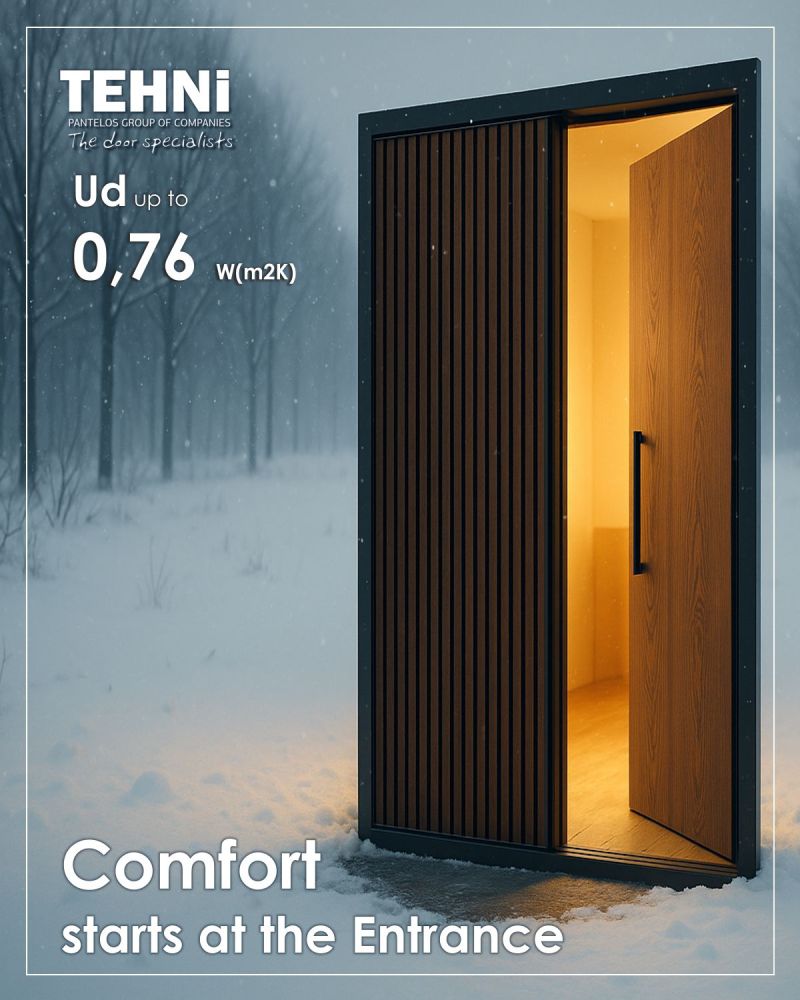
High-quality sealing systems enhance airtightness and weather resistance. Drafts and moisture infiltration are minimized, while the aluminium profiles are engineered to resist corrosion, deformation, and structural fatigue over time. This ensures that thermal and mechanical properties remain consistent through repeated seasonal stress. 
TEHNi doors are produced according to rigorous European standards for energy efficiency, safety, and durability, combining precision engineering with materials science. The construction of frames, panels, and locking systems is designed to maintain performance over prolonged periods without significant maintenance.
By integrating thermal breaks, insulated cores, and robust seals, TEHNi aluminium entrance doors provide a scientifically informed solution for thermal protection and structural reliability in winter conditions. Their design reflects a balance between energy efficiency, durability, and engineered performance, demonstrating the technical capabilities of modern aluminium door systems.
Source: TEHNi with additional information added by Glass Balkan