The escalation of the Iran–Israel conflict is increasingly becoming an economic issue for the global construction supply chain. For industries dependent on energy-intensive materials – including glass, aluminium, façades, windows, doors and architectural systems – the impact is already visible in commodity markets, energy prices and logistics.
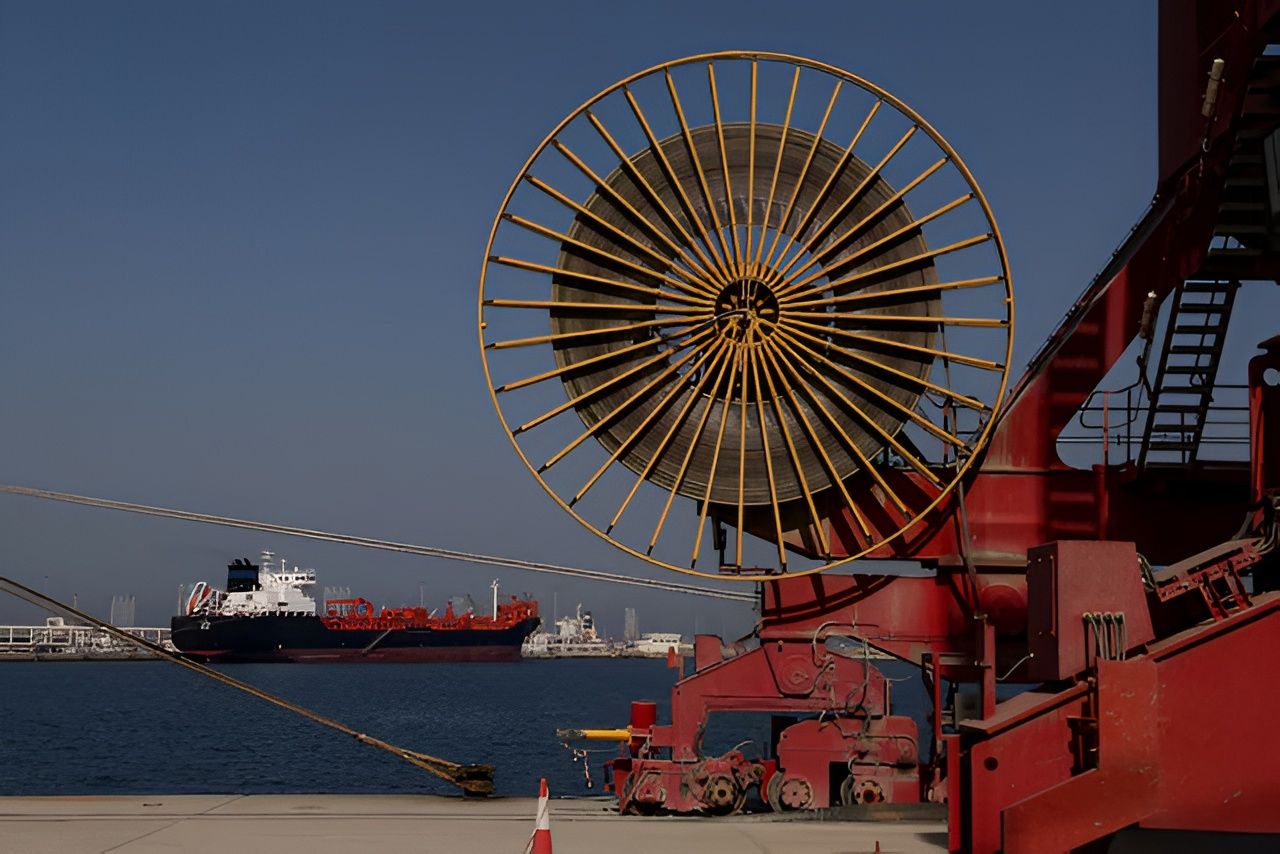
The most immediate pressure point is energy. On September 1, Brent crude traded at $91.15 per barrel, following a rise of almost 3% the previous day. The escalation comes as traffic through the Strait of Hormuz remains severely disrupted. Only around five commodity vessels per day are currently transiting the route, compared with a pre-conflict average of 14 vessels, while approximately 20% of global oil supply normally passes through the strategic waterway.

For construction, higher energy prices quickly move beyond fuel. Glass, aluminium, steel, cement and bricks are among the most energy-intensive building materials, meaning rising electricity and gas costs can directly increase production prices. Higher fuel costs simultaneously raise transport and logistics expenses, adding another layer of inflation to delivered material prices.
Aluminium is particularly exposed. The conflict pushed LME three-month aluminium to a four-year high of $3,545.50 per tonne in March. Supply premiums also rose sharply, with Japanese buyers facing offers of up to $250 per tonne above the LME price, representing a 28% increase over first-quarter terms. 
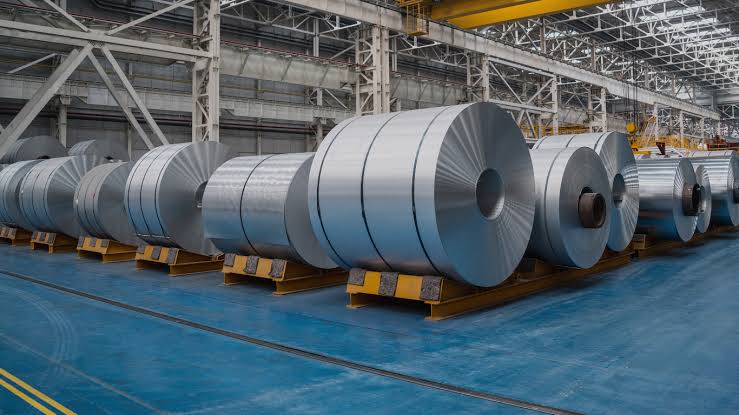
Although Chinese exports helped reduce some of the market shock, aluminium still reached $3,787.50 per tonne at the beginning of June before retreating to around $3,270 per tonne in August. This demonstrates the extreme volatility now facing manufacturers and façade contractors.
The implications for the building envelope sector are significant. Aluminium profiles are fundamental to curtain walls, windows, doors, sliding systems, cladding and structural façade components. Any sustained increase in aluminium and energy costs can eventually influence quotations for complete architectural systems.
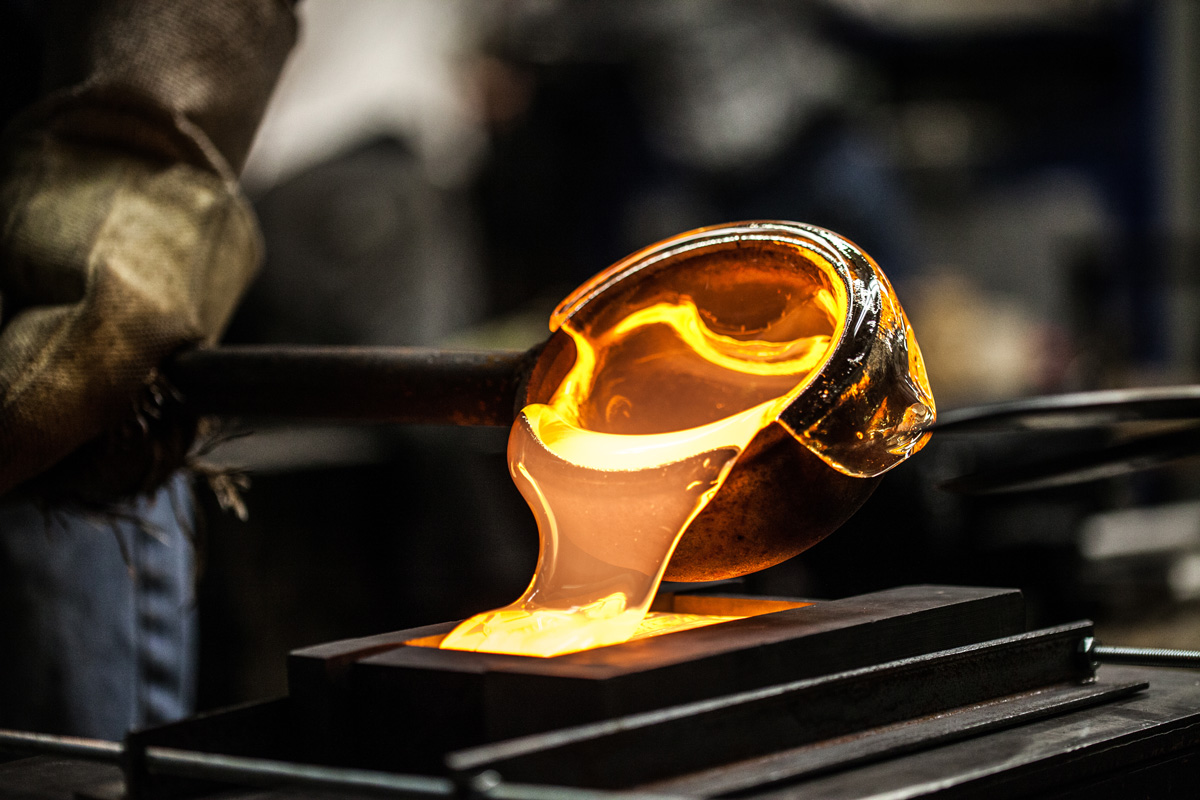
The glass industry faces a similar risk. Float glass production depends heavily on continuous furnace operation and large volumes of energy. Rising gas prices are therefore particularly concerning. European benchmark gas prices have recently reached 3.5-year highs, while disruptions to LNG deliveries are increasing uncertainty for industrial energy users.
For architects, developers and contractors, the greatest challenge may ultimately be price uncertainty rather than a single price increase. Fixed-price projects become increasingly risky when aluminium, glass, energy and logistics costs can change during procurement.
Source: Glass Balkan