A toddler’s fatal fall from a 19th-floor apartment in North York, Toronto, has triggered a lawsuit and renewed scrutiny of glazing safety in ageing high-rise residential buildings.
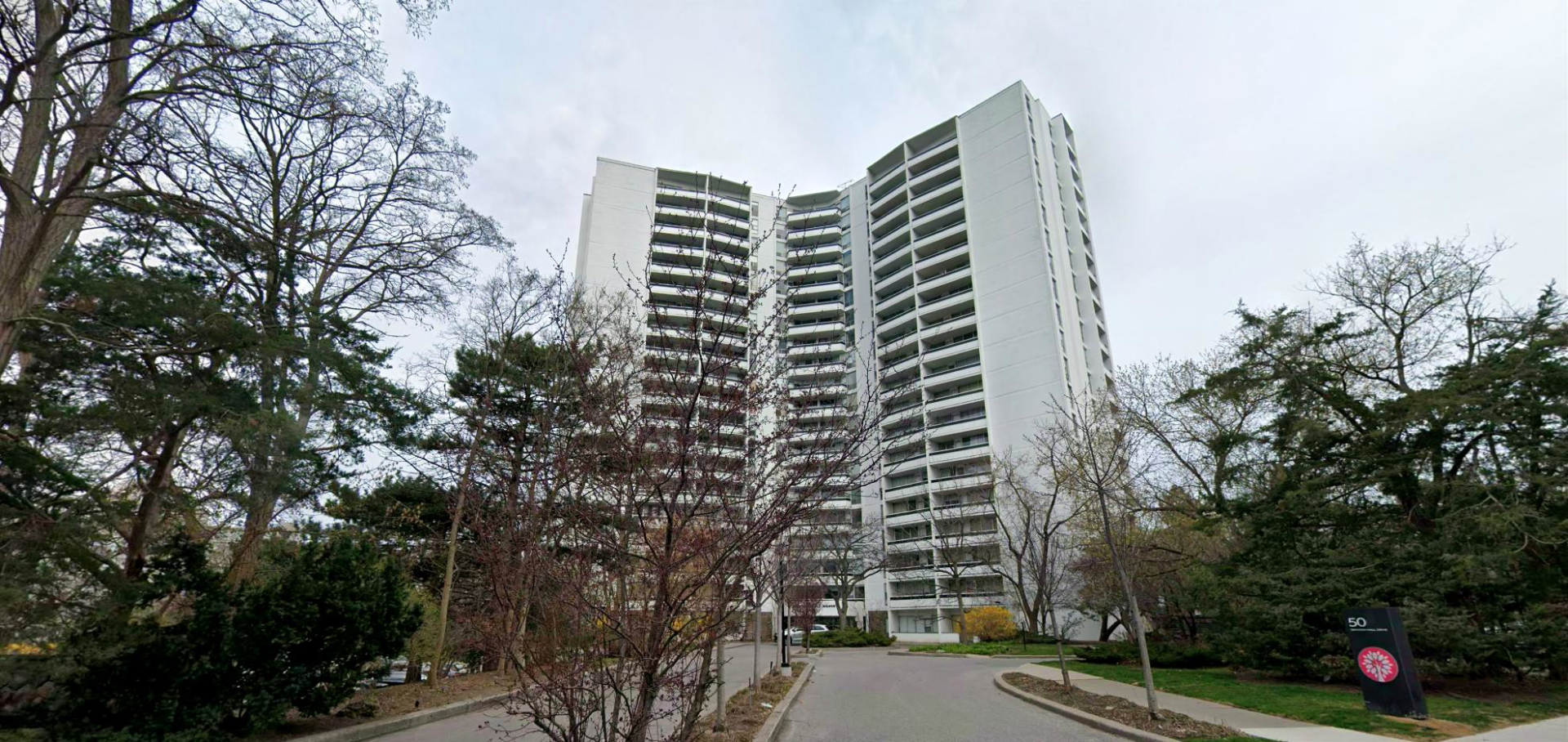
The incident occurred in May 2026 at 50 Graydon Hall Drive, a 19-storey rental tower. According to the statement of claim filed by the child’s parents, the nearly two-year-old was in a bedroom when she “gently touched” the window. The family alleges that the glass suddenly broke, causing her to fall 19 floors. The incident was witnessed by her parents on Mother’s Day.
The lawsuit alleges that those responsible for the building failed to replace or upgrade unsafe glass, properly inspect and maintain the windows, or adequately warn residents of potential hazards. These allegations have not been proven in court.
The case highlights an important distinction in high-rise window safety: restricting how far a window opens does not address the structural safety of the glazing itself. Residents reportedly described the building’s windows as decades old and made from thin glass, while opening restrictors had been installed. 
For high-rise residential buildings, safety must be considered as a complete system. Glazing should be appropriately specified for the location, dimensions, wind loads and impact risks. Where required, tempered or laminated safety glass can reduce the consequences of breakage. Laminated glass is particularly relevant where maintaining a barrier after fracture is important, as its interlayer helps retain broken fragments.
Window restrictors, guards and barriers provide another layer of fall protection, but they should complement, not replace, proper glass selection and condition assessment.
The case also underscores the importance of periodic inspection of ageing windows. Assessments should cover glass damage, frame deterioration, glazing retention, hardware, restrictors, seals and anchorage, not simply whether a window opens and closes correctly.
For building owners and façade professionals, the message is clear: high-rise glazing is a life-safety component. Compliance at construction is only the starting point; continued inspection, maintenance and timely replacement are essential to maintaining safety throughout a building’s service life.
Source: USGlassMag with additional information added by Glass Balkan