AGC Interpane has completed a major modernization project at its Hildesheim facility in Germany, choosing to retrofit an existing tempering furnace rather than invest in a completely new production line. The project, carried out in partnership with Glaston, demonstrates how strategic upgrades can enhance productivity, sustainability, and long-term competitiveness while maximizing the value of existing assets.
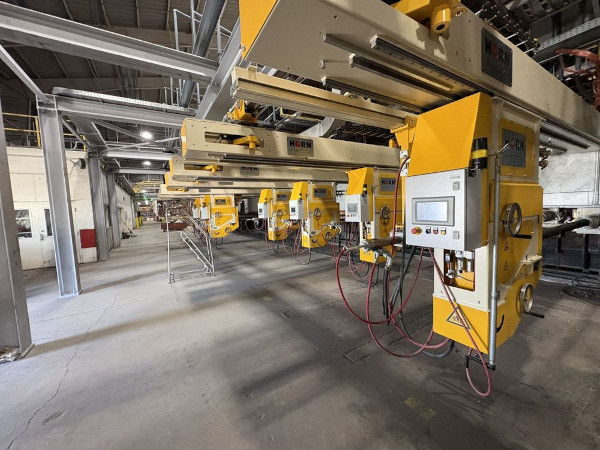
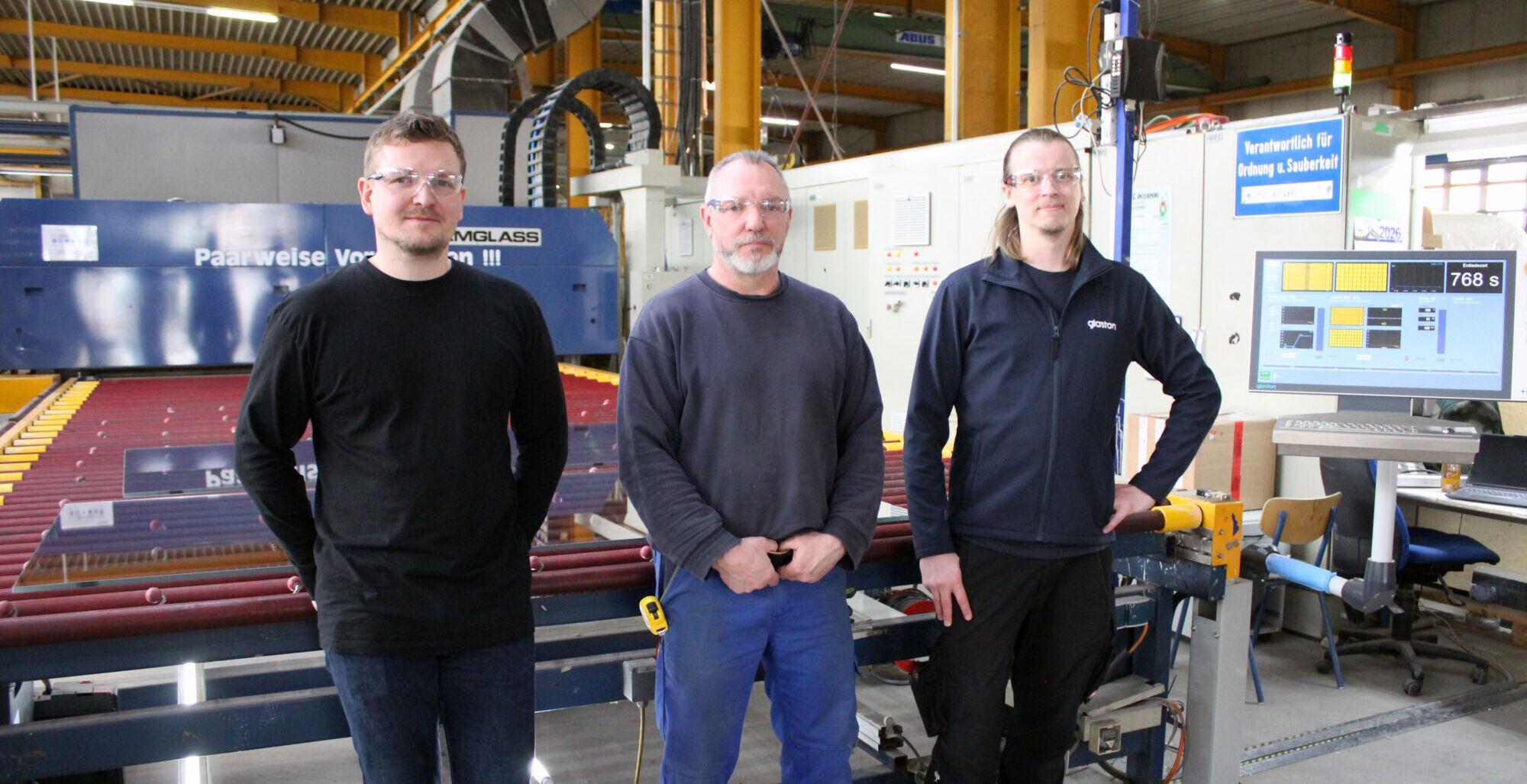
The centerpiece of the project was the modernization of a Glaston HTF ProE tempering furnace originally installed in 2001. Faced with an aging control system that was no longer supported, AGC Interpane evaluated several options, including replacing the line entirely. Instead, the company selected a comprehensive retrofit solution that preserved the core equipment while introducing advanced technologies and new production capabilities.
The upgrade included the installation of a modern control system, a new heating system, and bottom convection technology. Key wear components were also replaced to ensure long-term operational reliability. As a result, the modernized furnace delivers improved efficiency, lower energy consumption, increased production capacity, and expanded processing capabilities for coated glass products.
One of the most significant benefits is the ability to temper all temperable coatings, including large-format glass, allowing the Hildesheim plant to respond more flexibly to changing market demands. The enhanced production capabilities also enable the site to support other AGC Interpane facilities during periods of high demand or operational bottlenecks. 
The retrofit has also simplified daily operations, reducing workload for operators while improving process stability and performance. According to AGC Interpane management, the investment strengthens the long-term future of the Hildesheim facility and creates new opportunities through an expanded product portfolio.
Beyond the operational benefits, the project highlights a sustainable approach to manufacturing by extending equipment lifespan and reducing energy consumption. Compared with a new production line, the retrofit offers a lower total cost of ownership and a highly attractive return on investment, reinforcing the business case for modernization over replacement.
Source: Glaston with additional information added by Glass Balkan