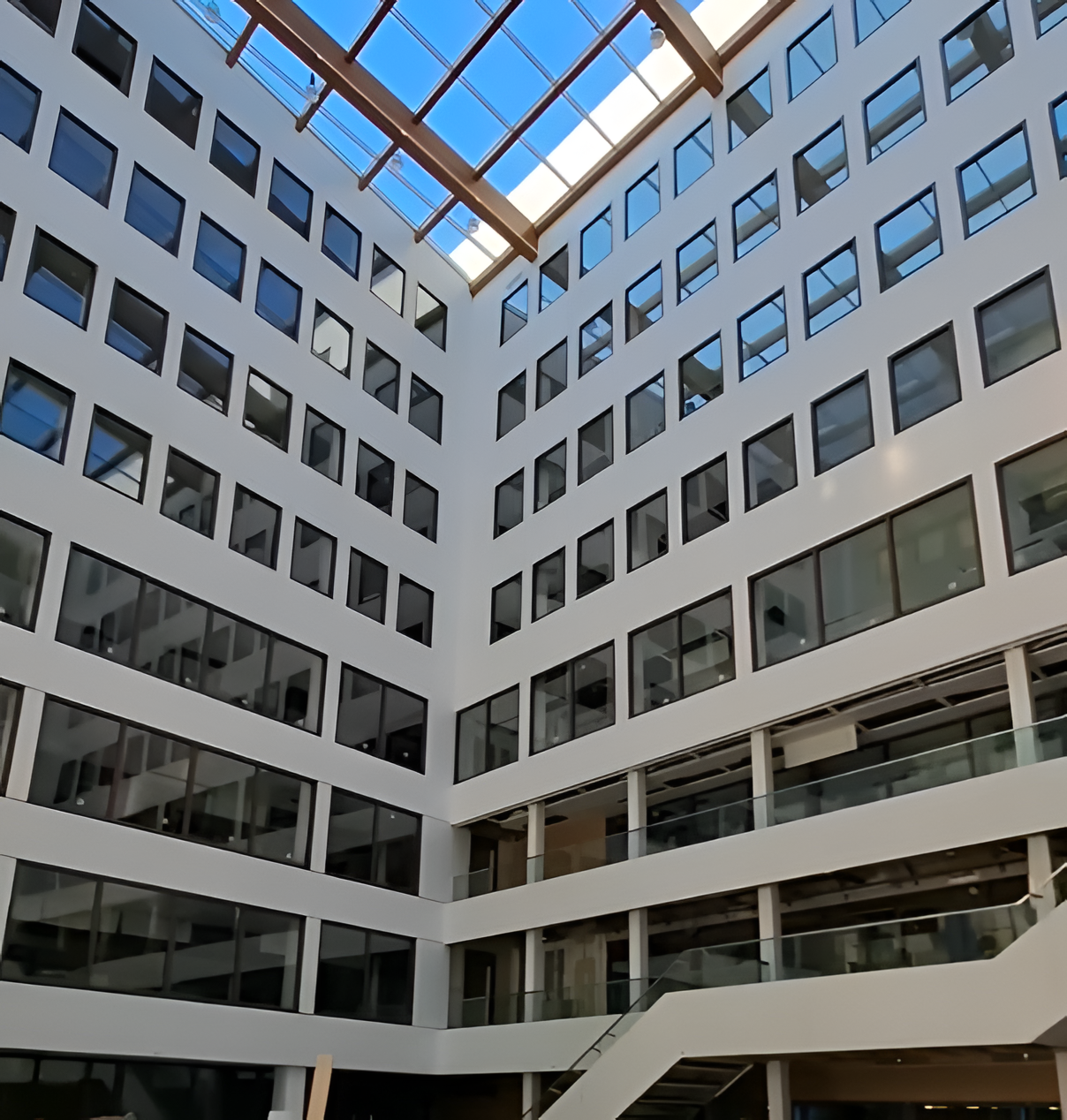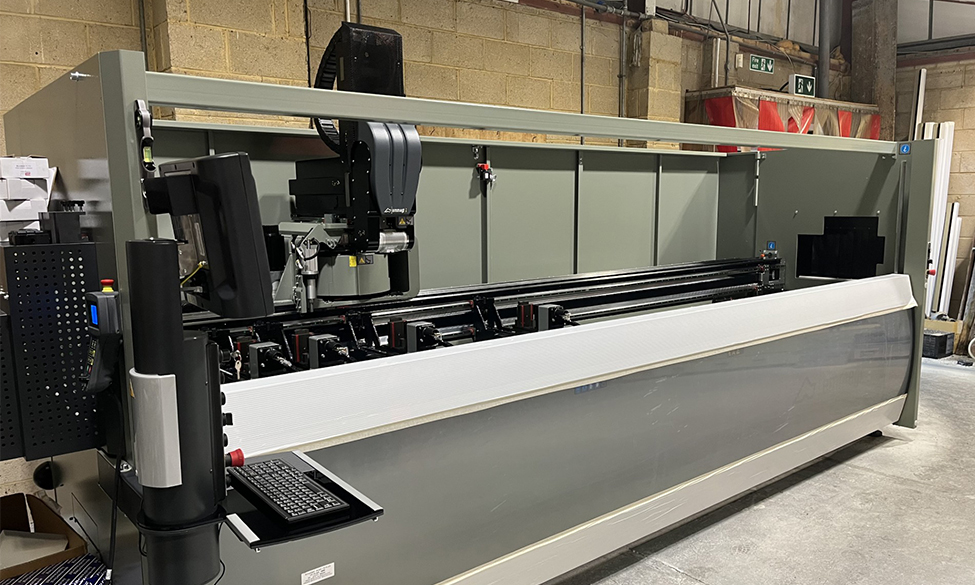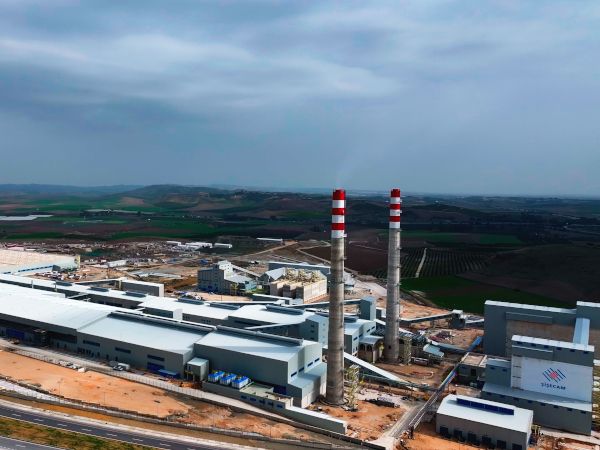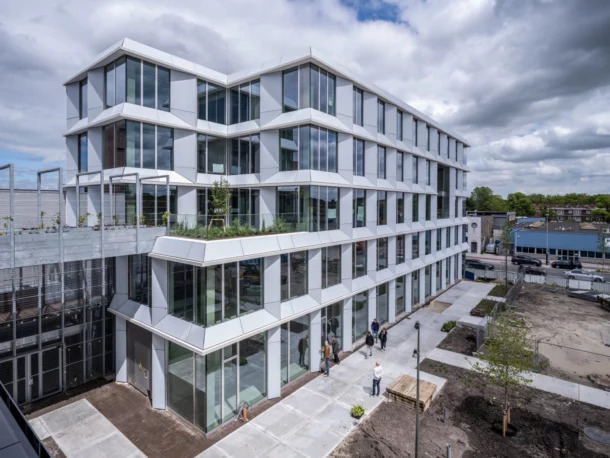
Artificial intelligence is rapidly transforming the way Building-Integrated Photovoltaic (BIPV) façades are designed, optimized, and managed. As architects and engineers seek to create more energy-efficient and sustainable buildings, AI is emerging as a powerful tool for balancing the complex relationship between energy generation, thermal performance, daylight utilization, and occupant comfort.
Traditionally, electrical, thermal, and optical performance have often been assessed separately during the design process. However, this fragmented approach can limit the overall effectiveness of BIPV systems. Artificial intelligence enables a more integrated methodology by analyzing multiple performance parameters simultaneously, allowing façade systems to respond more effectively to changing environmental conditions and operational demands.
One of the key advantages of AI-driven BIPV solutions is their ability to improve energy forecasting and system management. By processing large volumes of weather, occupancy, and building performance data, intelligent algorithms can predict solar energy generation more accurately and optimize the interaction between photovoltaic systems, energy storage, and building services. This leads to greater energy efficiency, improved self-consumption, and reduced operational costs.
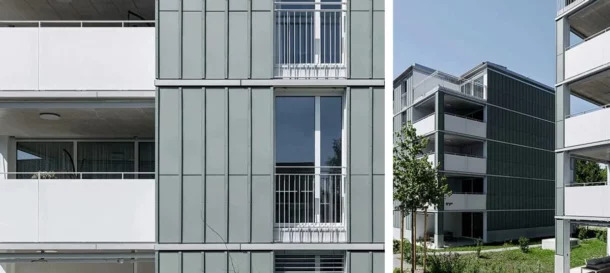
The growing use of digital twins and parametric design tools is further enhancing the development of adaptive façade systems. Through real-time simulation and performance analysis, designers can evaluate multiple façade configurations before construction begins, identifying solutions that maximize solar exposure while maintaining indoor comfort and daylight quality. Such digital workflows support more informed decision-making and help optimize the overall energy balance of buildings. 
Artificial intelligence is also accelerating façade design through generative and performance-based design processes. Advanced computational tools can automatically evaluate thousands of design variations, optimizing elements such as photovoltaic shading devices, façade geometry, and glazing strategies. This enables designers to achieve a balance between architectural aesthetics, occupant wellbeing, and renewable energy generation.
As sustainability targets become increasingly ambitious worldwide, the integration of AI into BIPV façade design is expected to play a critical role in the future of high-performance building envelopes. By connecting design, simulation, and operational intelligence, AI is helping create façades that are not only energy-generating but also adaptive, responsive, and capable of contributing significantly to a building’s long-term environmental performance.
Source: Glass Balkan