POLFLAM has introduced GAIA, a low-carbon fire-resistant glass that combines its proprietary hydrogel interlayer technology with Pilkington Mirai, a low-carbon float glass manufactured by Pilkington, part of the NSG Group.
According to POLFLAM, the product achieves up to 65% lower embodied carbon than conventional fire-resistant glass products, depending on the fire-resistance classification, and up to 35% lower than POLFLAM’s own regular products. The reduction is attributed to Pilkington Mirai, which has 50% lower embodied carbon than standard float glass. This is achieved through alternative fuels, a high proportion of recycled glass and renewable electricity in float glass production.
The glass consists of two thermally toughened safety glass panes with a colourless hydrogel interlayer between them, produced according to POLFLAM’s own proprietary formula. Unlike conventional multi-layer fire-resistant glass, which typically needs additional glass panes to reach higher fire classes, POLFLAM can increase the thickness of the hydrogel interlayer without adding extra panes. Combined with Mirai float glass, this gives high light transmittance and low weight for fire classes from EI60 and above.
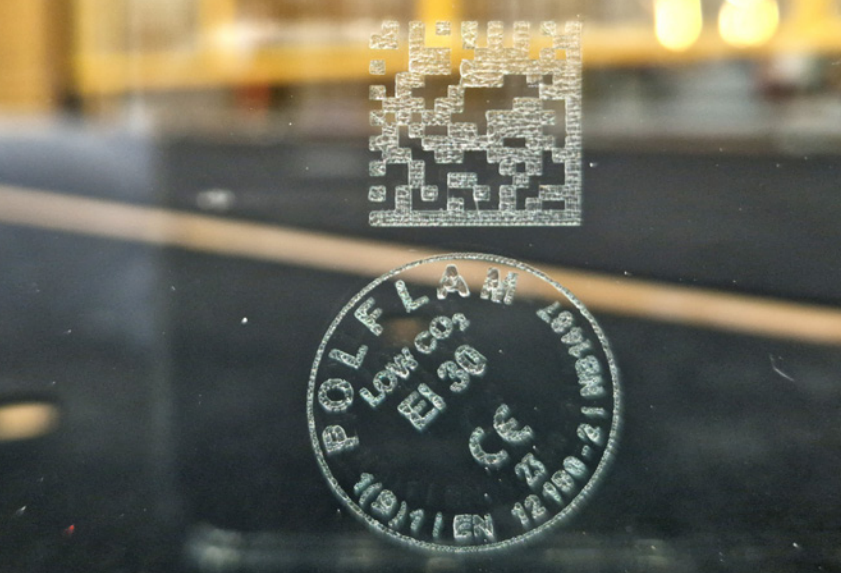
The product is intended to meet the demand for lower-carbon buildings without compromising fire safety, light transmittance or appearance. It is also compatible with green building certification schemes such as LEED, BREEAM and DGNB. GAIA panes carry a “LOW CO₂” product marking. 
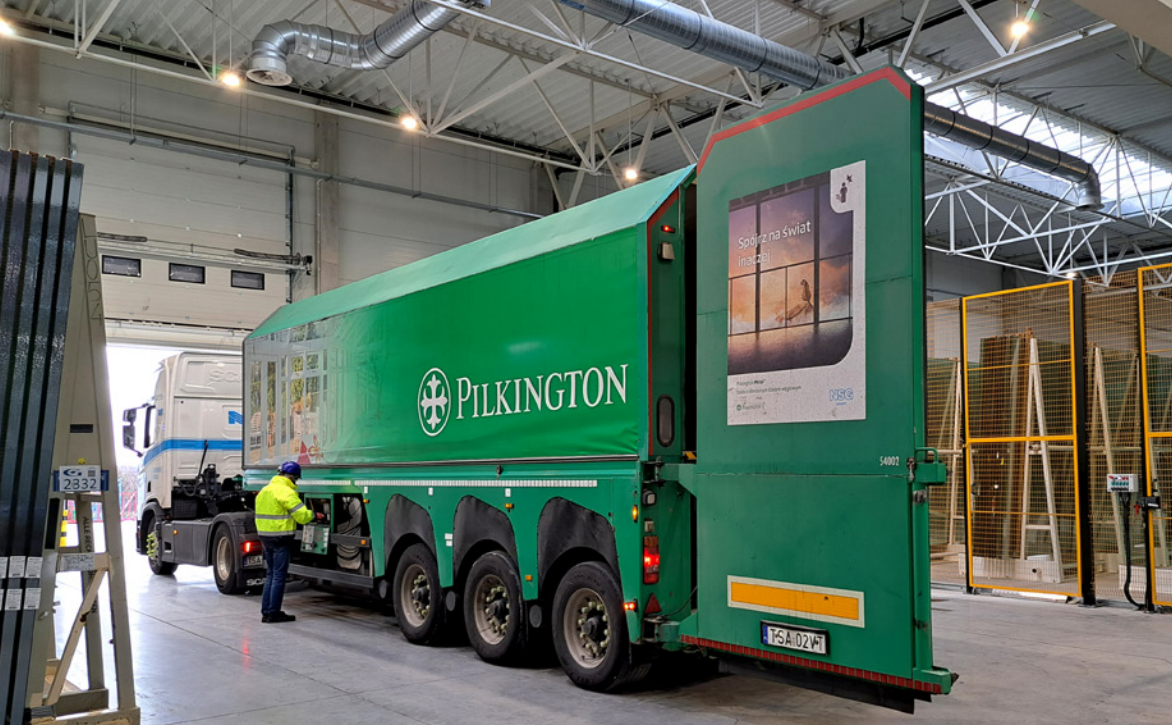
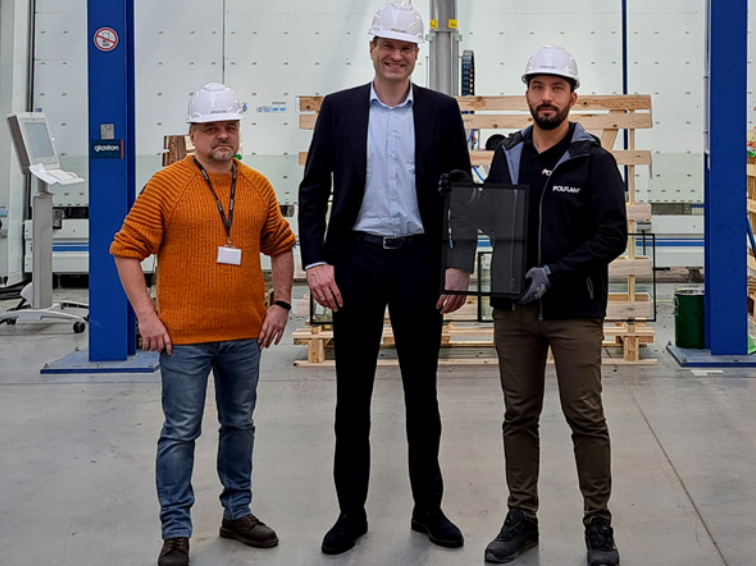
POLFLAM completed a pilot run with production and testing of the first panes, using 6 mm Pilkington Mirai float glass, and has produced the first GAIA pane. The product will be available across the range from EI15 to EI180, and the company plans to extend it to Insulated Glass Units. A Life Cycle Assessment (LCA) and an Environmental Product Declaration (EPD) are being prepared by a third-party institute to verify the carbon footprint, with the EPD expected by the end of Q1 2024.
Source: POLFLAM with additional information added by Glass Balkan