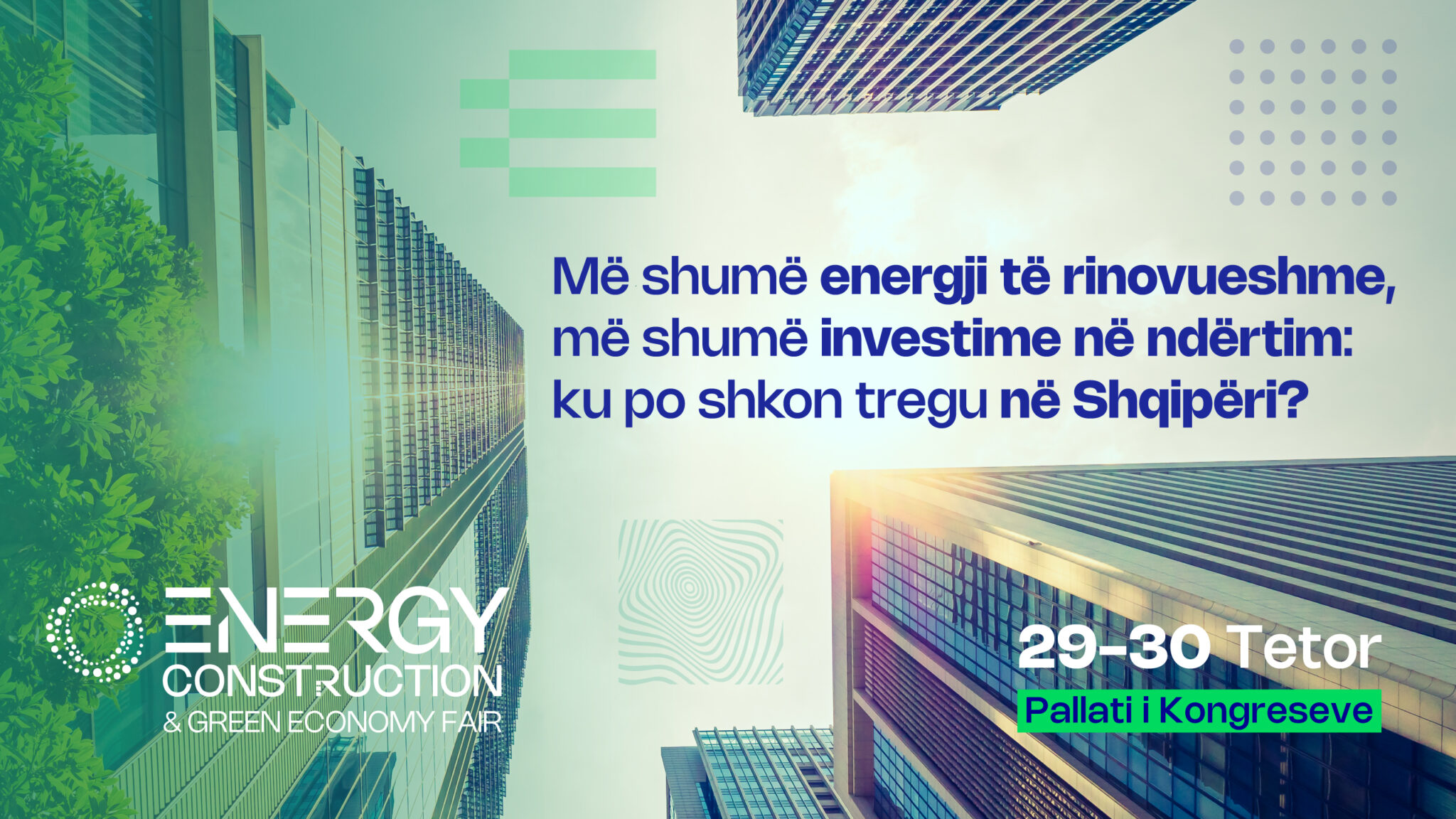
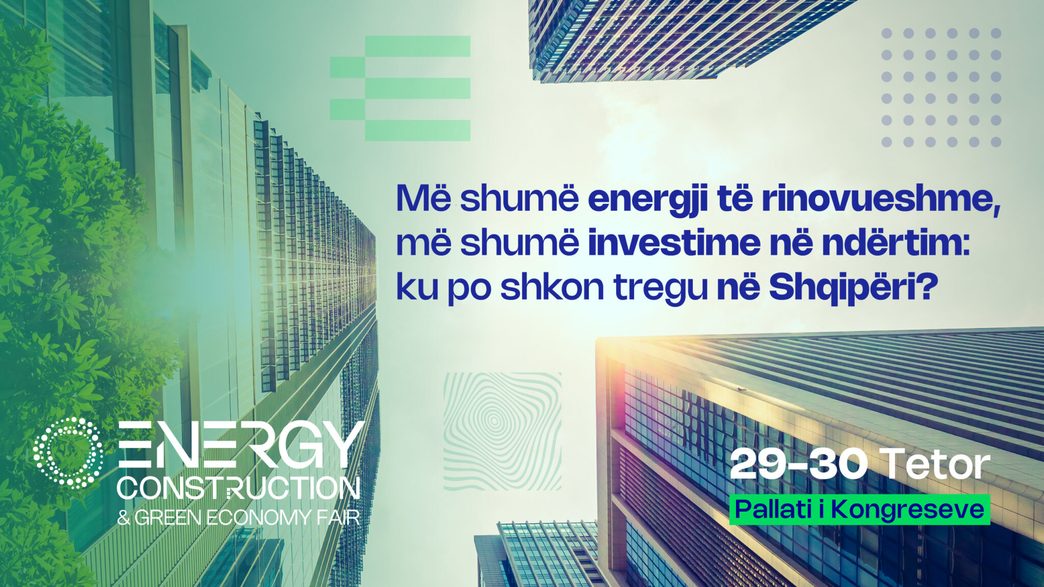
From hundreds of megawatts in new energy projects to the high-rise buildings changing Tirana’s skyline, investment is picking up across Albania. But as the market grows, so do the questions around energy infrastructure, construction standards, technology, financing and the long-term performance of buildings. These will be among the topics discussed at ECGE 2026, taking place on 29–30 October at the Palace of Congresses in Tirana.
This summer, 29 new energy projects were approved in Albania, with a declared capacity of at least 535.7 MW. More than half are photovoltaic projects.
Construction is changing just as quickly. Buildings reaching 30 and 40 storeys are becoming part of Tirana’s skyline, and new projects are placing greater demands on design and engineering. Energy efficiency, ventilation, photovoltaic systems, energy storage, safety and electric vehicle charging infrastructure all need to be considered from the early stages of a project.
Energy and construction are attracting significant investment in Albania. Both sectors, along with the technologies used in them, will be the focus of the fifth edition of the Energy, Construction and Green Economy Fair (ECGE), an event dedicated to these industries and the businesses working within them. 
More Solar Projects. What Comes Next?
Albania is expanding its renewable energy capacity, particularly through solar power. But producing more electricity is only part of the equation. As solar generation increases, the country must also address how that electricity enters the grid, how supply and demand are balanced, and how energy can be stored for later use.
Energy storage is becoming an important part of this discussion, helping bridge the gap between periods of high generation and periods of demand.
The next step is to develop the infrastructure and practical applications needed to make better use of the electricity being produced. Greater renewable capacity could also support the electrification of transport, industry and buildings.
At ECGE 2026, discussions will address the changes Albania’s energy system needs as solar generation grows, as well as the opportunities for companies involved in grid infrastructure, storage and electrification.
Construction Standards and Building Performance
Tirana’s high-rise projects are becoming increasingly complex, bringing greater attention to how buildings are designed, constructed and operated.
In June, data from the National Inspectorate for the Protection of Territory showed that 65 of the 338 construction sites inspected in Tirana, Golem, Vlora and Himara—around 20%—had been penalised for failing to meet technical safety requirements.
In October, the Ministry of Infrastructure and Energy also opened a public consultation on the draft law On the Marketing of Construction Products, which aims to regulate how construction products are placed on and circulated within the market.
These developments raise practical questions about construction quality, compliance and the standards applied to new buildings.
Safety is one concern, but building performance also depends on decisions made during design. Ventilation, electrical installations, photovoltaic systems, automation and electric vehicle charging infrastructure need to be properly integrated into the project rather than treated as additions once construction is underway.
The cost of a building also extends beyond its construction budget. Energy consumption, maintenance requirements and the performance of its systems over time all affect its long-term cost.
Building automation, connected systems and real-time monitoring are increasingly used to manage energy consumption, improve safety and monitor building operations. These technologies, alongside construction standards and energy efficiency, will feature in the exhibition and programme at ECGE 2026.
Hydrogen Joins the ECGE Programme for the First Time
Hydrogen will be discussed at ECGE for the first time, with experts and industry representatives from the Czech Republic taking part.
The topic comes as Albania expands renewable energy production and considers how to make use of electricity that might otherwise exceed immediate demand.
Green hydrogen can be produced using renewable electricity and may offer applications in industry and transport. It could also provide a way to use some seasonal hydropower surpluses and solar generation, although its feasibility will depend on production costs, infrastructure and demand.
Albania’s National Energy and Climate Plan includes the development of a strategy for green hydrogen. At ECGE, the discussion will focus on its potential applications and the conditions needed for hydrogen to become a viable part of the country’s energy sector.
The Companies Taking Part in the Market’s Development
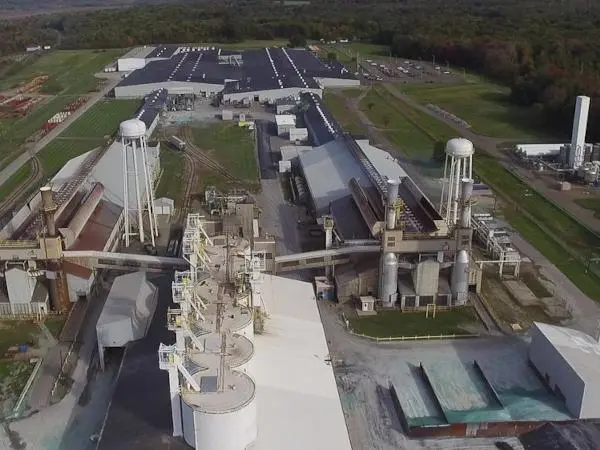
ECGE 2026 will bring together companies working across energy production, electrical infrastructure, energy efficiency, automation and building technology.
Vodafone Albania, E-Saving, MEPS Albania, VEGA Group, ITE Group with Vimar and Baks, OSHEE Group, AESS, UNISOLAR and Kastrati Energy are participating as supporting partners.
Their work covers different parts of the market, from solar energy and electrical systems to automation and technologies designed to reduce energy consumption in buildings.
Their participation will give visitors the opportunity to learn more about the products and solutions available, meet companies working in these sectors and discuss the technical and commercial challenges facing the Albanian market.
Source: BM with additional information added by Glass Balkan