A landmark health and safety trial has begun in England following the death of a man caused by a falling window from a high-rise residential development, bringing renewed attention to façade engineering, window design and long-term building safety.
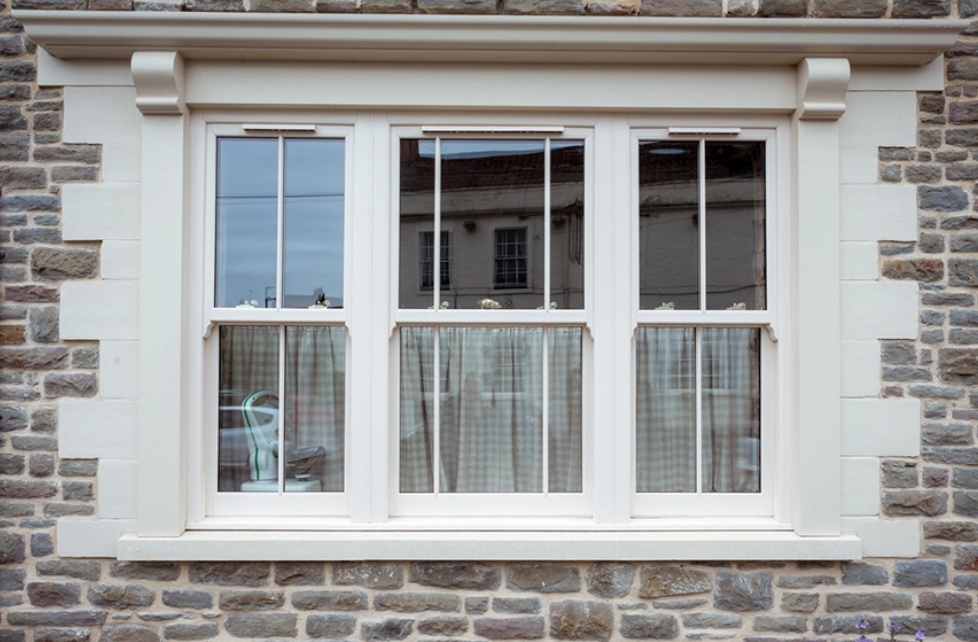
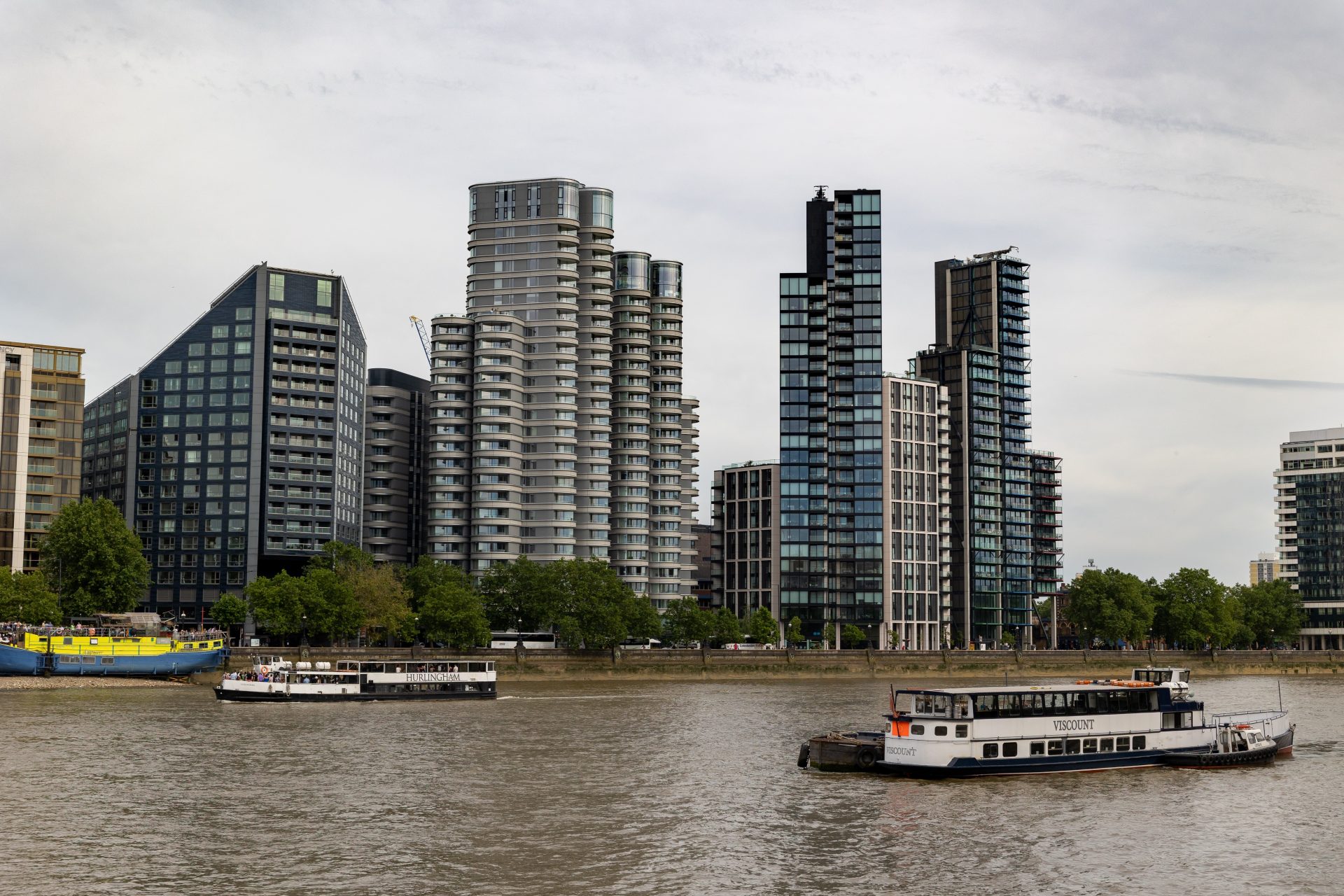
The case concerns The Corniche, a mixed-use residential development in London designed by Foster + Partners. On 2 October 2018, 53-year-old driver Mick Ferris was returning to his vehicle when a large penthouse window, complete with its metal frame, detached from the building and fell approximately 300 feet (around 90 metres), striking and killing him instantly. The window measured roughly 33 inches by 74 inches (84 × 188 cm) and weighed approximately 130 kg.
The trial, which opened on 7 July at the Inner London Crown Court, involves Foster + Partners, Lindner Prater, Wintech Testing and Certification, and St. James Group. The defendants face charges relating to alleged failures under the UK’s Health and Safety at Work Act 1974 concerning the design and management of outward-opening penthouse window vents.
According to the prosecution, the windows were originally designed to open inward, but the design was later changed to outward-opening units. Prosecutors argue that the revised configuration created a significant risk, as strong wind pressure could place excessive loads on the hinges and the single metal restrictor designed to secure the window. They allege the system lacked an effective secondary safety mechanism, meaning that if the restrictor failed, the entire window could detach. 
The court also heard that a similar window had fallen from the building in 2017. Although nobody was injured in that incident, prosecutors claim it should have triggered a comprehensive review of the façade system rather than simply instructing construction workers and residents to keep the affected windows closed.
Following the fatal accident, the building was retrofitted with inward-opening windows. The case serves as a powerful reminder that façade safety extends far beyond aesthetics and energy performance. Every component, including opening vents, hinges, restrictors, fixings and maintenance procedures, must be engineered with redundancy and thoroughly tested under real operating conditions. Even seemingly minor design changes can fundamentally alter structural behaviour and introduce unforeseen risks.
Source: USGlassMag with additional information added by Glass Balkan